
Common Mold Inspection Mistakes in the DMV Region and How to Avoid Them
Mold is a pervasive threat in the Washington DC, Maryland, and Virginia region due to high humidity levels and aging infrastructure. According to the Environmental Protection Agency, mold can begin growing on damp surfaces within 24 to 48 hours after water exposure. This rapid growth cycle means that early detection is critical for property owners. However, many homeowners and facility managers make critical errors during the initial assessment phase. These mistakes often lead to incomplete remediation, recurring health issues, and inflated repair costs. Understanding these pitfalls is the first step toward protecting your property and ensuring long-term indoor air quality. (Contact us Dmvenvironmental)
Ignoring HVAC Systems During Assessment
One of the most frequent errors in the DMV area is focusing exclusively on walls and ceilings while ignoring the heating, ventilation, and air conditioning (HVAC) systems. Mold spores thrive in the dark, damp environments of air ducts and cooling coils. If your HVAC system is not included in the inspection, you risk missing the primary distribution network for spores throughout your building. (About Dmvenvironmental)
Proper assessment requires a comprehensive look at the entire air handling unit. This includes checking for condensation buildup, inspecting drip pans for clogs, and evaluating filter efficiency. DMV Environmental specializes in Indoor Air Quality (IAQ) investigations that include thorough HVAC analysis. By integrating HVAC checks into your initial inspection, you ensure that the source of contamination is identified and addressed, not just the visible symptoms. (About Dmvenvironmental)
Relying Solely on Visual Inspections
Visual inspection is a necessary first step, but it is insufficient on its own. Mold often grows behind drywall, under flooring, or inside ceiling cavities where it is completely invisible to the naked eye. Relying only on what you can see leads to a false sense of security. Many property owners in Maryland and Virginia discover mold only after it has caused significant structural damage or health issues. (Services Dmvenvironmental)
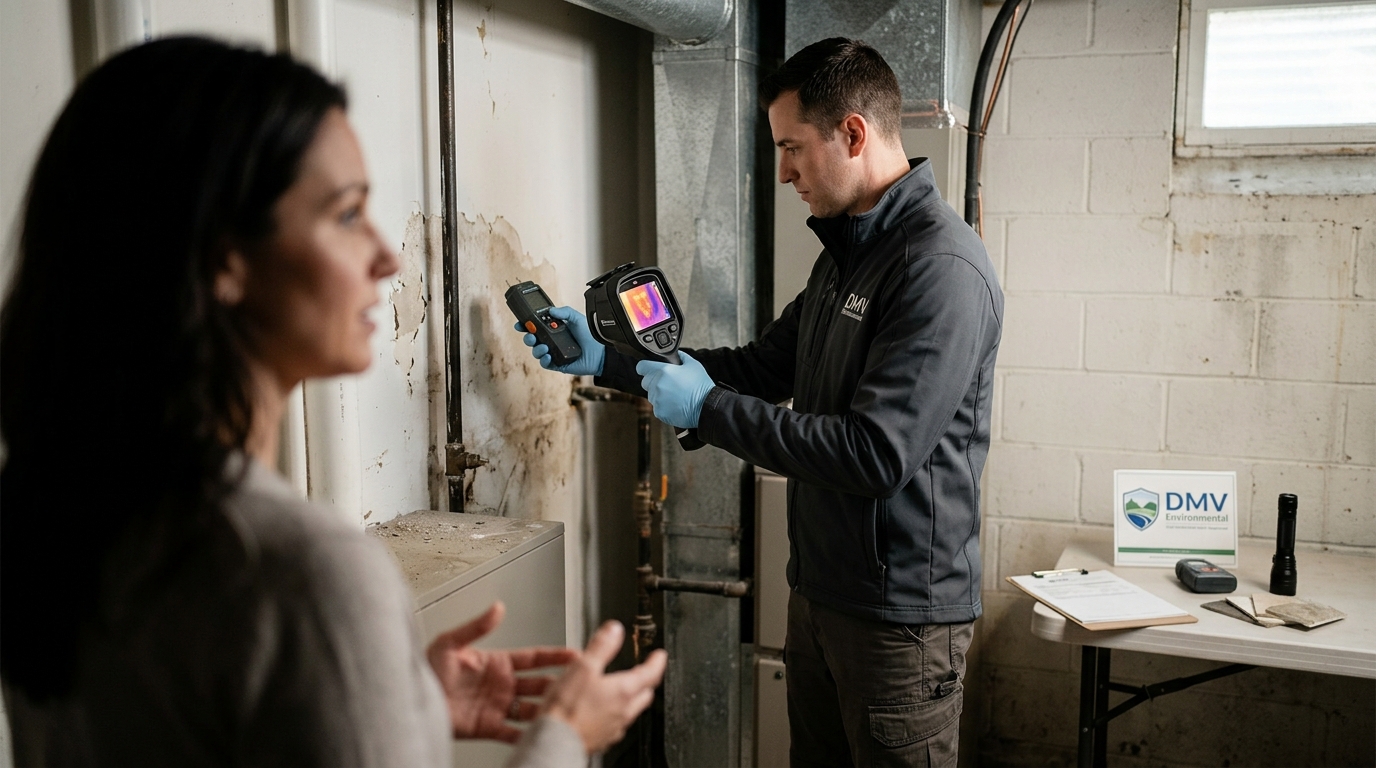
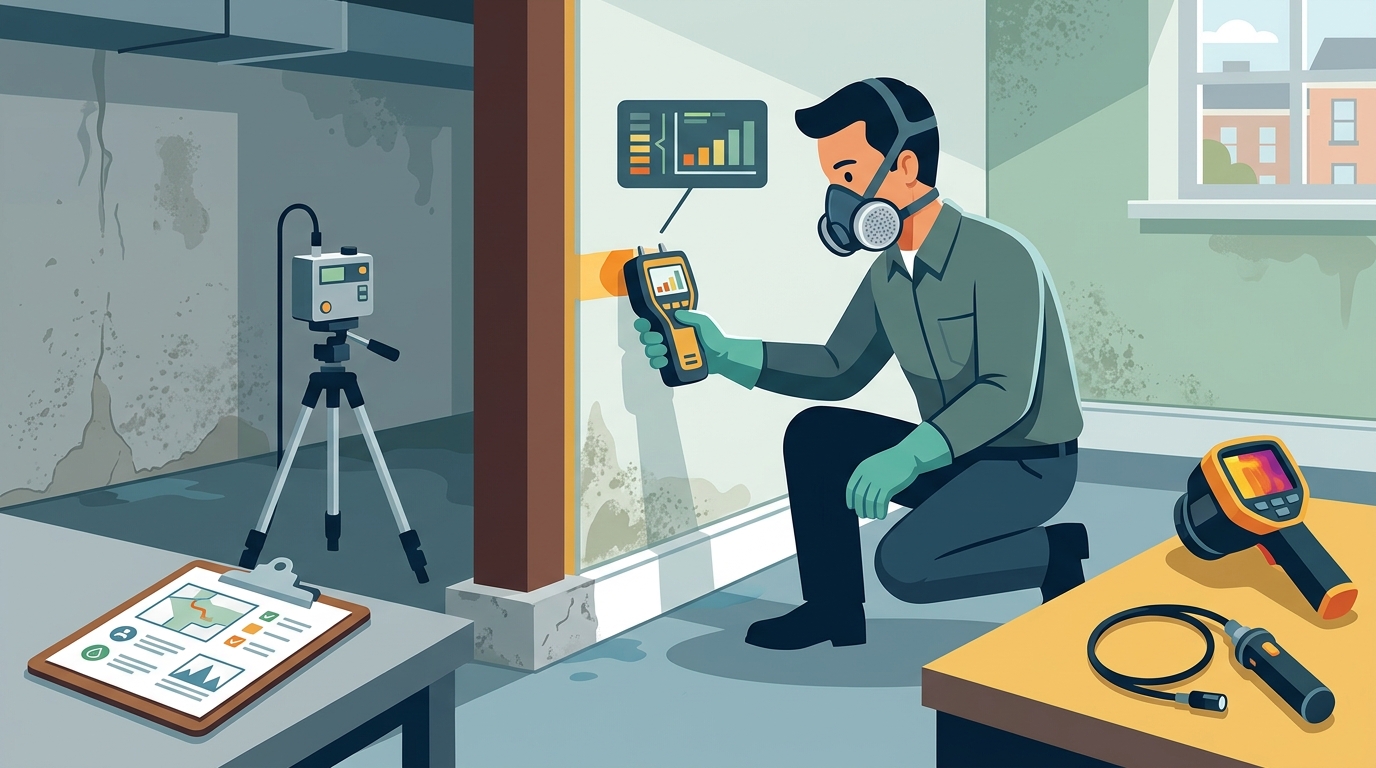
To avoid this mistake, you must utilize advanced detection tools. Infrared cameras can identify temperature anomalies that indicate moisture intrusion. Moisture meters are essential for quantifying the water content in building materials. These tools allow inspectors to map the extent of water damage accurately. DMV Environmental employs certified inspectors who use these technologies to provide accurate assessments. This data-driven approach ensures that no hidden mold colonies are left unchecked.
Improper Air and Surface Sampling
Sampling is a critical component of any professional mold inspection, but it is often done incorrectly. A common mistake is collecting samples in a way that contaminates the results. For example, using a dirty swab or collecting air samples near an open window can skew the data. Another error is failing to collect baseline samples from the outdoor environment for comparison.
Accurate sampling requires strict protocols. Air samples should be collected using calibrated pumps to ensure consistent airflow rates. Surface samples must be taken from areas that appear suspicious or have a history of water damage. The samples should then be analyzed by an accredited laboratory. DMV Environmental provides comprehensive mold investigations that include rigorous sampling and clearance inspections. This ensures that the type and concentration of mold are accurately identified, guiding effective remediation strategies.
Neglecting Crawl Spaces and Basements
The DMV region has a high water table and frequent rainfall, making crawl spaces and basements prime locations for mold growth. Many homeowners neglect these areas because they are out of sight and difficult to access. However, moisture in these spaces can migrate upward into the living areas of the home through capillary action and air currents.
Inspections must include a thorough evaluation of the foundation and vapor barriers. Check for standing water, cracked foundations, and inadequate ventilation. If your crawl space lacks a proper vapor barrier, moisture from the soil can easily saturate the air. DMV Environmental offers specialized mold remediation design and scope of work plans for these challenging areas. Addressing moisture issues in the crawl space is often the most effective way to prevent mold recurrence in the rest of the home.
Delaying Professional Remediation
Once mold is detected, delaying remediation is a costly mistake. Mold continues to grow and spread as long as moisture is present. This can lead to structural decay, persistent odors, and serious health risks for occupants. Some homeowners attempt to clean small areas themselves, but this often fails to address the root cause and can spread spores to other parts of the building.
Professional remediation involves containment, air filtration, and safe removal of contaminated materials. It also requires addressing the underlying moisture source to prevent regrowth. DMV Environmental provides mold remediation oversight and clearance inspections to ensure the job is done correctly. By partnering with certified professionals, you ensure that your property is restored to a safe and healthy condition. The EPA recommends taking action if mold levels are above normal outdoor concentrations. DMV Environmental can help you determine if action is needed.
Key Takeaways
- HVAC Integration: Always include HVAC systems in your mold inspection to prevent spore distribution.
- Technology Use: Rely on moisture meters and infrared cameras to find hidden mold.
- Sampling Protocols: Use accredited laboratories and baseline outdoor samples for accurate results.
- Crawl Space Focus: Prioritize crawl spaces and basements due to high moisture risks in the DMV region.
- Professional Remediation: Avoid DIY cleanup for significant mold issues to ensure safety and completeness.
- Regulatory Compliance: Follow EPA guidelines for mold management and indoor air quality.
- Early Detection: Act within 48 hours of water damage to prevent mold establishment.
Frequently Asked Questions
How often should I have my home inspected for mold in the DMV area?
It is recommended to have an inspection if you notice any signs of water damage or musty odors. For older homes in DC, Maryland, and Virginia, annual inspections are prudent due to the region's humidity.
Can I detect mold myself without professional help?
While you can see visible mold, you cannot detect hidden mold or identify spore types without professional tools and laboratory analysis. DMV Environmental provides the necessary expertise for accurate detection.
What is the difference between mold inspection and remediation?
Inspection involves identifying the presence and type of mold. Remediation is the process of removing the mold and fixing the moisture source. DMV Environmental offers both services to ensure a complete solution.
Is mold testing required by law in Maryland or Virginia?
While not always mandatory for residential properties, mold testing is often required for commercial buildings and during real estate transactions. It is also crucial for health and safety compliance.
How long does a mold inspection take?
A typical inspection takes between two to four hours, depending on the size of the property and the complexity of the issues. DMV Environmental works efficiently to minimize disruption.
What should I do if I find mold in my HVAC system?
Do not attempt to clean it yourself. Contact a professional like DMV Environmental to assess the extent of the contamination and perform safe cleaning and disinfection.
Does mold affect property value?
Yes, documented mold issues can significantly lower property value and complicate sales. Proactive inspection and remediation help maintain your home's marketability.
How does humidity impact mold growth in the DMV region?
High humidity levels in the DMV area create ideal conditions for mold. Maintaining indoor humidity below 60% is critical to prevention. DMV Environmental can help with moisture control programs.
Contact DMV Environmental
Do not let mold compromise your health or your property. DMV Environmental is dedicated to providing fast and efficient mold inspections and remediation in DC, Maryland, and Virginia. Our team of certified inspectors and remediation specialists is ready to help you maintain a safe and healthy environment. Contact us today to schedule your assessment.
Contact DMV Environmental to get started.