

When selecting an asbestos testing provider, you must verify that their laboratory holds current ISO/IEC 17025 accreditation and EPA Method 141 proficiency. These specific certifications ensure that the analytical results are legally defensible and scientifically accurate. Without these credentials, test results may be rejected by regulatory agencies or insurance carriers, leaving property owners exposed to liability. For additional details, review the About Dmvenvironmental.
The Role of ISO/IEC 17025 Accreditation
ISO/IEC 17025 is the international standard for the competence of testing and calibration laboratories. It is the gold standard for quality management in environmental testing. This standard requires labs to demonstrate consistent accuracy, precision, and traceability in their measurement processes. For asbestos analysis, this means the lab must prove it can correctly identify and quantify fiber types under a microscope.
EPA Method 141 and Proficiency Testing
EPA Method 141 is the standard for the analysis of asbestos in building materials. It is a proficiency testing program that ensures laboratories can accurately identify asbestos fibers. The Environmental Protection Agency (EPA) requires that laboratories participating in this program meet specific performance criteria. This program is critical because it validates the skill of the analysts, not just the equipment.
Participation in Method 141 is a strong indicator of a lab's technical capability. It is a requirement for many state and local regulatory programs. If a lab does not participate in this proficiency program, their results may not be accepted for regulatory compliance. DMV Environmental works with laboratories that maintain these high standards to ensure your project meets all legal requirements. This focus on technical excellence is part of our commitment to providing accurate and reliable environmental data.
State-Specific Licensing and Requirements
While federal standards set the baseline, state and local regulations often impose additional requirements. In the DMV region, Maryland, Virginia, and Washington, D.C. each have specific rules for asbestos testing and abatement. These rules may require labs to be licensed by the state or to participate in specific state proficiency programs. Understanding these local nuances is essential for compliance.
For example, some states require that the lab be located within the state or that the analyst be licensed in that jurisdiction. Other states may accept out-of-state labs if they meet specific reciprocity agreements. A knowledgeable provider will navigate these complexities for you. They will ensure that the lab they use is fully compliant with the regulations in your specific location. This prevents delays and re-testing that can significantly increase project costs.
Why Accreditation Matters for Legal and Insurance Purposes
Asbestos test results are often used in legal proceedings, insurance claims, and real estate transactions. In these contexts, the credibility of the lab is paramount. An unaccredited lab's results are easily challenged in court. Defense attorneys may argue that the lab lacked proper quality controls or that the analysts were not qualified. This can lead to costly litigation and project delays.
Insurance carriers also require accredited lab results for claims related to asbestos exposure or damage. If the lab is not accredited, the insurer may deny the claim. This is a significant financial risk for property owners. By using a provider that works with accredited labs, you protect your investment. You ensure that your documentation is robust and defensible. This is a key aspect of risk management in environmental projects.
How to Verify Your Provider's Lab Credentials
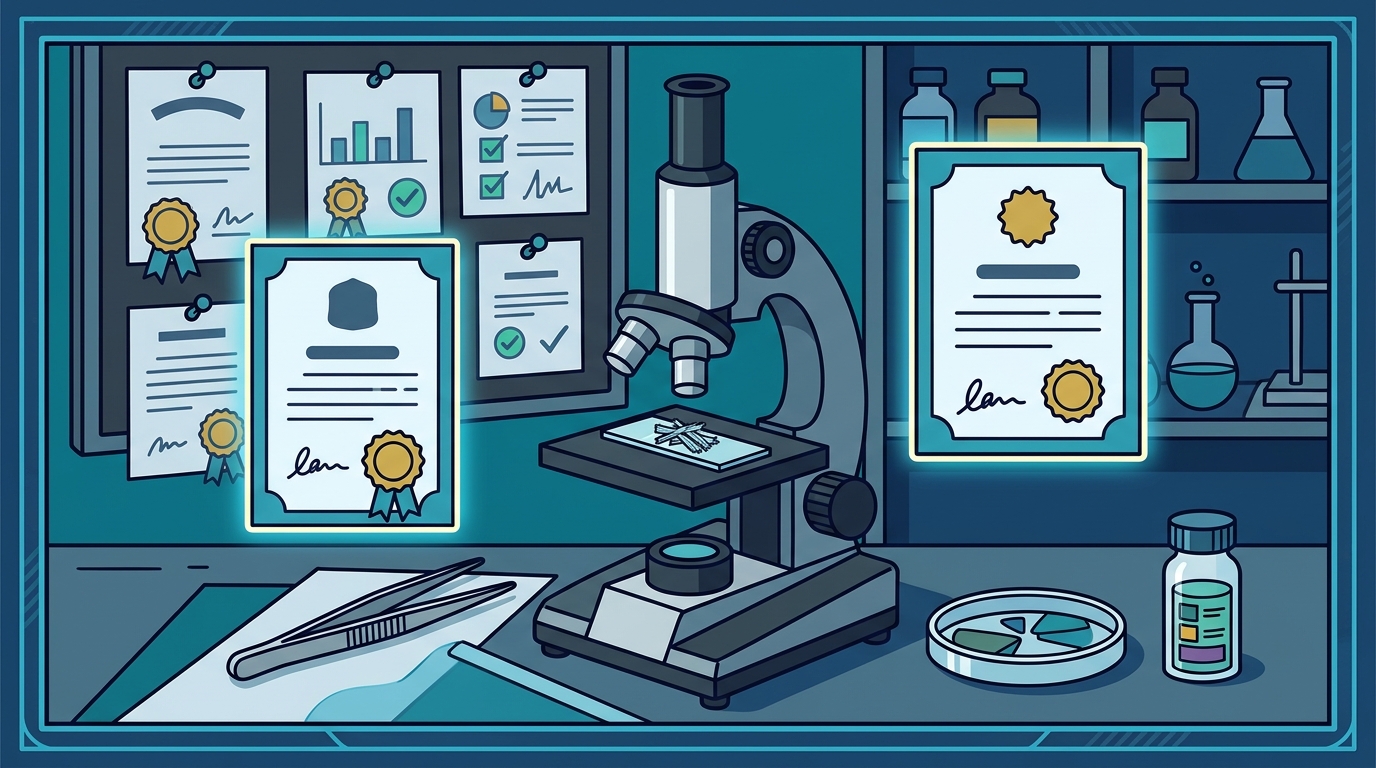
Do not take a provider's word for it. Ask for direct evidence of their lab's credentials. Request a copy of the lab's ISO/IEC 17025 certificate. Check the expiration date and the scope of accreditation. You can also verify the lab's status directly with the accrediting body. Most major accrediting bodies have online databases where you can search for accredited labs.
Ask the provider which specific methods the lab is accredited for. Ensure that the methods match the type of testing you need. For example, if you need bulk material analysis, the lab must be accredited for that specific method. If you need air monitoring, the lab must be accredited for air analysis. This level of detail ensures that you are getting the right kind of testing. DMV Environmental provides this level of transparency and expertise to our clients. We help you understand the technical requirements of your project.
Key Takeaways
- ISO/IEC 17025 accreditation is the primary standard for laboratory competence in asbestos testing.
- EPA Method 141 proficiency testing validates the skill of the analysts in identifying asbestos fibers.
- State and local regulations in the DMV region may impose additional licensing requirements on labs.
- Accredited lab results are essential for legal defensibility and insurance claim approval.
- Always verify the lab's accreditation scope and expiration date directly with the accrediting body.
Frequently Asked Questions
What is ISO/IEC 17025 accreditation?
ISO/IEC 17025 is an international standard that specifies general requirements for the competence, impartiality, and consistent operation of testing and calibration laboratories.
Why is EPA Method 141 important for asbestos testing?
EPA Method 141 is a proficiency testing program that ensures laboratories can accurately identify and quantify asbestos fibers in building materials.
Do I need a state-licensed lab for asbestos testing?
It depends on your location. Some states require labs to be licensed or registered with the state environmental agency. Check your local regulations to be sure.
How can I verify if a lab is accredited?
You can verify a lab's accreditation by checking the online database of the accrediting body, such as A2LA or ANAB. You can also ask the lab for their current certificate.
What happens if a lab is not accredited?
If a lab is not accredited, its results may be rejected by regulatory agencies, insurance carriers, or courts. This can lead to project delays and additional costs.
Does DMV Environmental work with accredited labs?
Yes, DMV Environmental works with laboratories that hold current ISO/IEC 17025 accreditation and participate in EPA proficiency testing programs.
Conclusion
Selecting the right asbestos testing provider is critical for ensuring the safety and compliance of your property. By verifying that your provider works with accredited laboratories, you protect your investment and ensure that your results are legally defensible. DMV Environmental is committed to providing high-quality environmental services in the DMV region. We help you navigate the complex world of asbestos testing and abatement. To discuss your project and learn more about our services, .