
Core Components of Industrial Hygiene
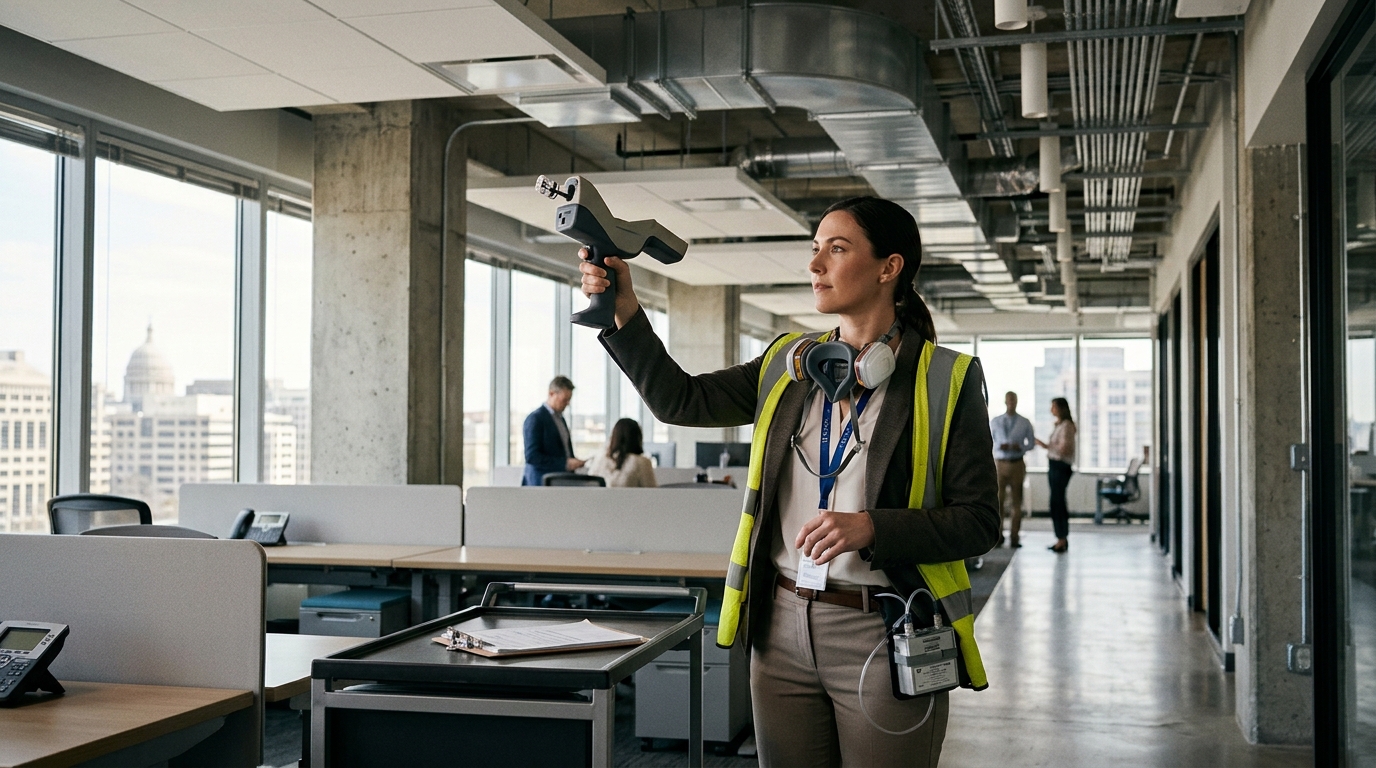
Industrial hygiene is the science and art of anticipating, recognizing, evaluating, and controlling workplace conditions that may cause worker injury or illness. It goes beyond simple compliance to create a proactive safety culture. In the DC metro area, this often involves assessing complex environments like high-rise offices, hospitals, and industrial facilities.
Anticipation and Recognition
The first step is identifying potential hazards before they cause harm. This involves reviewing processes, materials, and equipment. For example, a renovation project in a historic DC building might reveal asbestos or lead paint, requiring specific controls. Recognizing these risks early prevents costly remediation and health issues.
Evaluation and Control
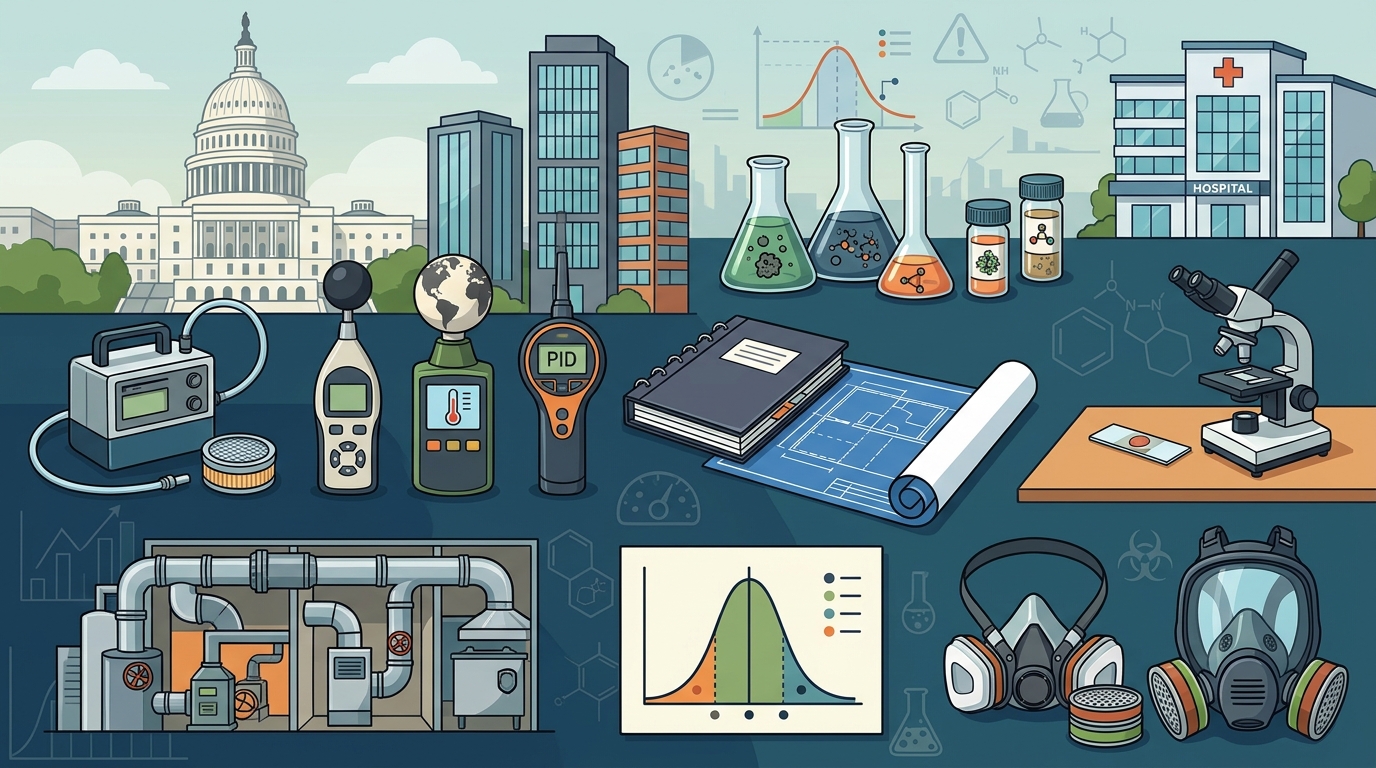
Once hazards are identified, they must be evaluated to determine the level of risk. This includes air sampling, noise dosimetry, and chemical exposure monitoring. Controls are then implemented, ranging from engineering solutions to administrative changes and personal protective equipment. DMV Environmental’s industrial hygiene services are designed to promote workplace health and safety through these systematic steps.
Regulatory Compliance in the DC Metro Area
Businesses in the DC area must adhere to federal, state, and local regulations. The Occupational Safety and Health Administration (OSHA) sets baseline standards for workplace safety. However, local jurisdictions may have additional requirements. For instance, the District of Columbia has specific rules for lead and asbestos in older buildings.
Federal Standards
OSHA regulations cover a wide range of hazards, including air contaminants, noise, and hazardous materials. Compliance requires regular monitoring and record-keeping. Failure to comply can result in fines and legal liability. Industrial hygiene consultants help businesses navigate these complex regulations and ensure they meet all applicable standards.
Local and State Requirements
Maryland and Virginia have their own occupational safety and health programs. These programs may have stricter standards than OSHA. For example, Maryland has specific requirements for lead in construction and renovation. DMV Environmental’s inspectors are certified and licensed to perform services in Maryland, DC, and Virginia, ensuring compliance across all three jurisdictions.
Common Workplace Hazards and Assessments
Workplace hazards can be physical, chemical, biological, or ergonomic. Each type requires a different assessment approach. Understanding these hazards is crucial for effective industrial hygiene consulting.
Chemical Hazards
Chemical exposures are a major concern in many industries. This includes solvents, acids, and other hazardous substances. Air sampling is used to measure the concentration of these chemicals in the workplace. If levels exceed permissible exposure limits, controls must be implemented. DMV Environmental provides air monitoring and hazardous material surveys to assess chemical risks.
Physical Hazards
Biological Hazards
Benefits of Proactive Industrial Hygiene Programs
Reduced Liability
By identifying and controlling hazards, businesses can reduce their liability for workplace injuries. This is especially important in the DC area, where litigation costs can be high. Industrial hygiene consultants help businesses document their safety efforts, which can be used as a defense in legal proceedings.
Improved Employee Health
Healthy employees are more productive and engaged. By addressing workplace hazards, businesses can improve employee health and well-being. This can lead to lower absenteeism and turnover rates. DMV Environmental’s goal is to create a healthy indoor environment that supports employee health and business success.
Choosing an Industrial Hygiene Consultant in DC
Choosing the right industrial hygiene consultant is critical to the success of your safety program. Look for a firm with experience in your industry and a strong track record of compliance. DMV Environmental is a Certified Business Enterprise in Washington, DC, with a team of professional inspectors who are appropriately certified and licensed. We specialize in asbestos, lead, and mold services, as well as industrial hygiene programs.
Experience and Expertise
Experience is key in industrial hygiene consulting. A consultant with experience in your industry will understand the specific hazards and challenges you face. DMV Environmental has extensive experience working with high-end hotels, high-rise office buildings, hospitals, and schools in the DC area. This experience allows us to provide tailored solutions that meet your specific needs.
Licensing and Certification
Ensure that your consultant is licensed and certified to perform the services you need. In the DC area, this includes certification for asbestos, lead, and mold services. DMV Environmental’s inspectors are certified and licensed to perform asbestos services in Maryland, DC, and Virginia. This ensures that your safety program meets all applicable regulations.
Key Takeaways
- Industrial hygiene is the science of anticipating, recognizing, evaluating, and controlling workplace hazards.
- Businesses in the DC area must comply with federal, state, and local regulations.
- Proactive industrial hygiene programs reduce liability and improve employee health.
- Choose a consultant with experience in your industry and proper licensing.
- DMV Environmental provides industrial hygiene services in DC, Maryland, and Virginia.
Frequently Asked Questions
What is industrial hygiene consulting?
Industrial hygiene consulting is a service that helps businesses identify, evaluate, and control workplace hazards to protect employee health and ensure regulatory compliance.
Who needs industrial hygiene services in the DC area?
Any business with employees in the DC area may need industrial hygiene services, particularly those in construction, healthcare, manufacturing, and office environments.
What are the most common workplace hazards in DC?
Common hazards in DC include asbestos and lead in older buildings, noise in construction and industrial settings, and mold in buildings with moisture problems.
How often should I have an industrial hygiene assessment?
The frequency of assessments depends on the type of hazards and the industry. Generally, annual assessments are recommended, with more frequent monitoring for high-risk activities.
What is the role of DMV Environmental in industrial hygiene?
DMV Environmental provides industrial hygiene programs and services designed to promote workplace health and safety. We help businesses anticipate, recognize, evaluate, and control workplace conditions that may cause worker injury or illness.
Are industrial hygiene services required by law?
Yes, OSHA and local regulations require businesses to identify and control workplace hazards. Industrial hygiene services help ensure compliance with these regulations.
Conclusion
Industrial hygiene consulting is a vital component of workplace safety in the DC area. By identifying and controlling hazards, businesses can protect their employees and ensure regulatory compliance. DMV Environmental is a trusted partner for industrial hygiene services in Washington, DC, Maryland, and Virginia. Our team of certified inspectors provides comprehensive solutions to help you maintain a safe and healthy workplace. To plan your visit, .