
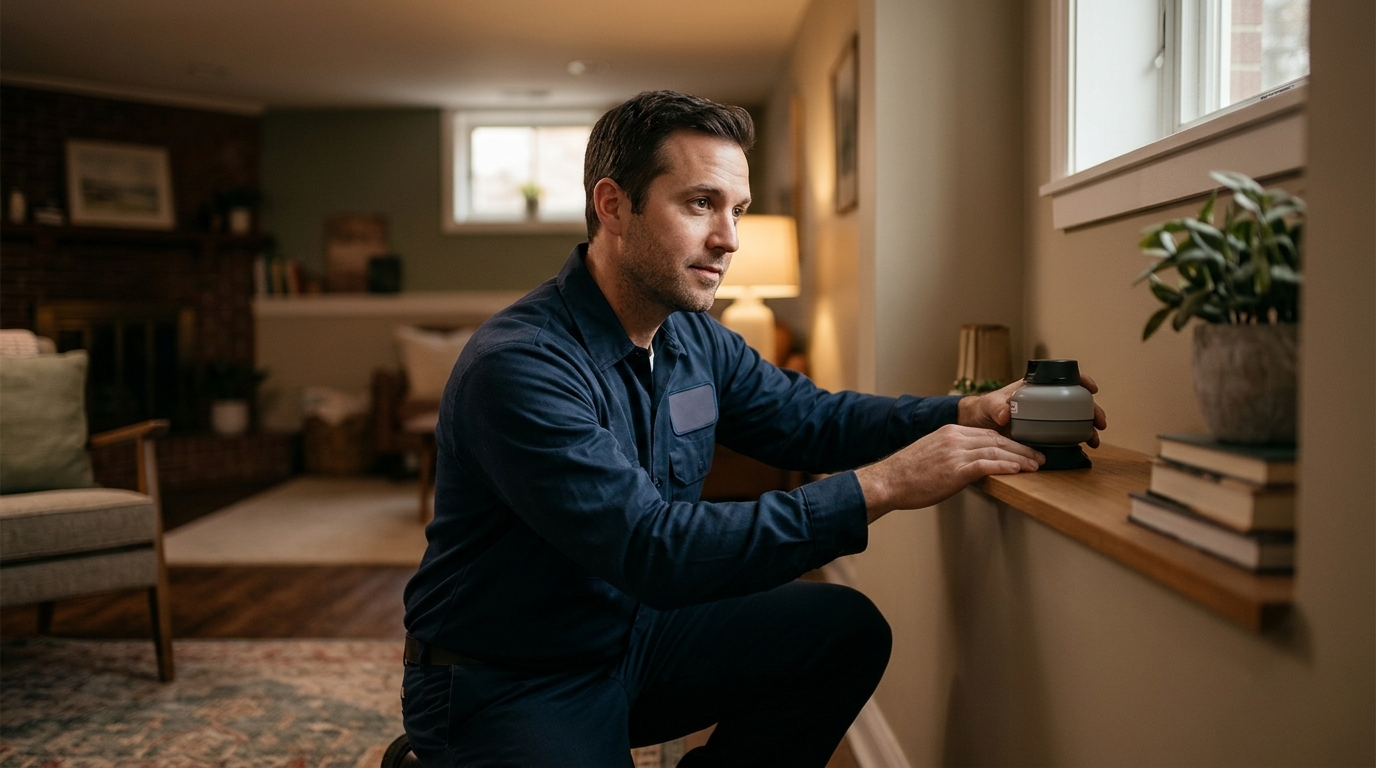
Radon testing companies in Washington DC operate by deploying calibrated sensors to measure airborne radon concentrations over a specific period. These providers assess indoor air quality to determine if levels exceed the EPA action threshold of 4.0 pCi/L. DMV Environmental provides these assessments as part of its broader environmental inspection portfolio, ensuring accurate data for property owners in the tri-state area.
The Science of Radon Detection
Radon is a colorless, odorless, and tasteless radioactive gas that seeps from the ground into buildings. Because it cannot be detected by human senses, professional testing is the only reliable method for identification. The gas originates from the natural decay of uranium in soil, rock, and water. In Washington DC, the geology and building construction of older structures can influence how radon migrates into living spaces.
Testing devices measure the decay products of radon, known as progeny, rather than the gas itself. This measurement provides a proxy for the radiation dose a person might receive. The Environmental Protection Agency emphasizes that radon cannot be seen, smelled, or tasted, making professional assessment critical. The District Department of the Environment also highlights the importance of testing to maintain safe homes. Understanding this invisible hazard is the first step in protecting your property.
Types of Testing Devices and Methods
Passive devices, such as charcoal canisters and electret nuclear track detectors, are often used for short-term assessments. Active devices, which use a fan to pull air into a chamber, are preferred for long-term monitoring. Each method has specific placement requirements to ensure valid results. For example, devices must be placed in the lowest livable level of the home, away from windows and high-traffic areas. Proper placement is a key differentiator between a casual test and a professional assessment.
The Professional Inspection Workflow
When you hire a professional, the process follows a structured protocol. The initial step involves a site visit to determine the optimal placement for the testing device. The inspector evaluates the building layout, HVAC systems, and potential entry points for soil gas. This assessment ensures the device is positioned to capture the highest representative concentration of radon.
After the device is installed, the testing period begins. During this time, the building must remain in its normal occupancy mode. Windows and doors should be closed, except for normal ventilation. This condition, known as the closed-house condition, simulates the worst-case scenario for radon accumulation. Once the testing period ends, the device is retrieved and sent to a certified laboratory for analysis. The lab then processes the data and issues a formal report detailing the results.
Interpreting Results and Regulatory Standards
Results are reported in picocuries per liter (pCi/L). The EPA recommends taking action to reduce radon levels if they are 4.0 pCi/L or higher. This threshold is based on epidemiological studies linking radon exposure to lung cancer. Levels below 4.0 pCi/L are considered acceptable, though some homeowners may still choose to mitigate for additional peace of mind. It is important to note that radon levels can fluctuate based on weather, season, and building usage.
A single test result does not always tell the whole story. If a short-term test shows high levels, a follow-up test is often recommended to confirm the findings. Professional providers guide clients through this interpretation process. They explain the implications of the data and suggest next steps. This guidance is crucial for making informed decisions about property safety and value.
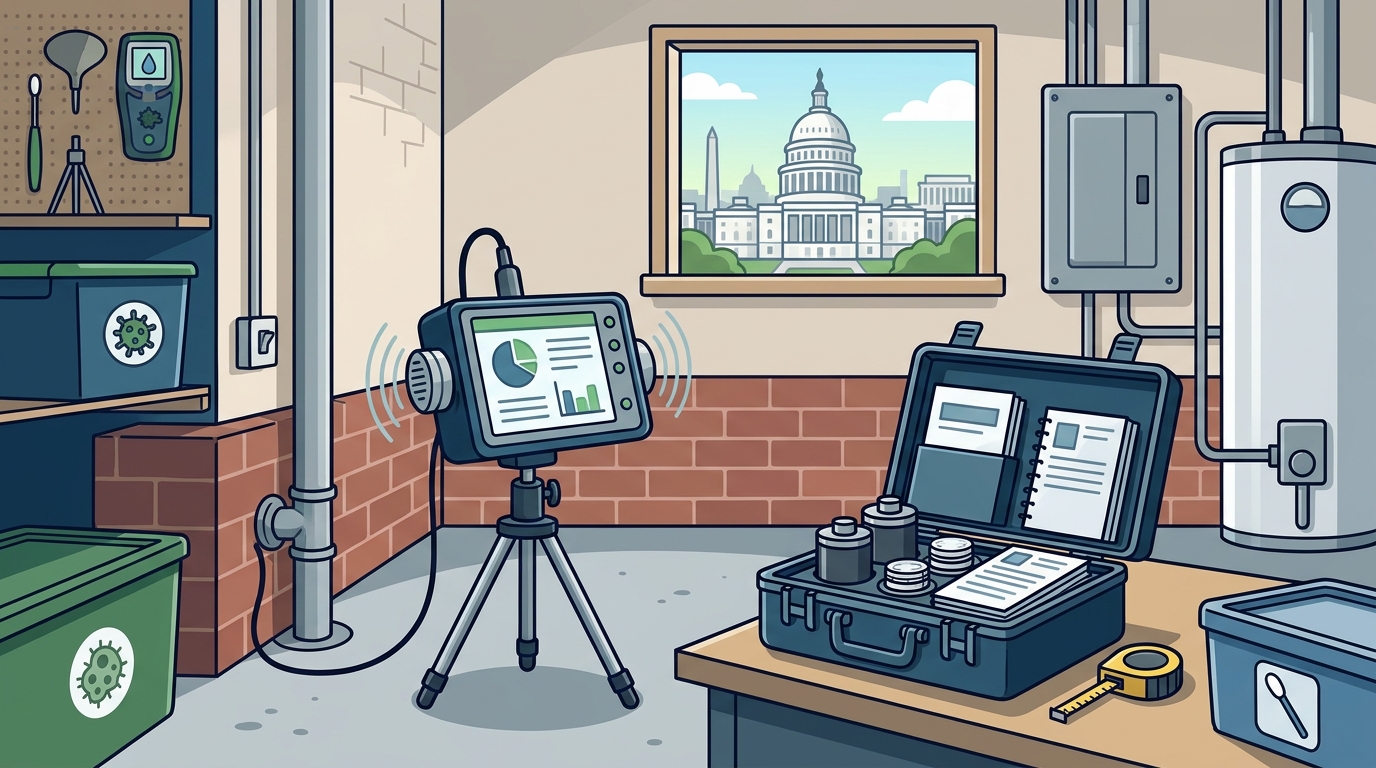
DMV Environmental and the DC Market
DMV Environmental is a Certified Business Enterprise in Washington, DC, specializing in environmental inspections. While the firm is well-known for asbestos, lead, and mold services, it also addresses indoor air quality concerns, including radon. The company’s team of certified inspectors brings a comprehensive approach to environmental health. They understand the interplay between different hazards in older DC buildings. This holistic perspective allows them to provide accurate assessments and practical recommendations.
Working with a local expert ensures familiarity with regional building codes and construction practices. DMV Environmental serves clients in Washington DC, Maryland, and Virginia. Their approach combines technical precision with clear communication. They help property owners navigate the complexities of environmental testing. By choosing a local provider, you benefit from responsive service and deep market knowledge. This expertise is invaluable when dealing with potential health hazards in your home or business.
Key Takeaways
- Radon is an invisible gas that requires professional testing for accurate detection.
- The EPA action level is 4.0 pCi/L, above which mitigation is recommended.
- Proper device placement and closed-house conditions are critical for valid results.
- DMV Environmental provides certified environmental inspections in the DC metro area.
- Local expertise helps navigate specific building codes and construction practices.
Frequently Asked Questions
How long does a radon test take?
Short-term tests typically take two to seven days. Long-term tests can last anywhere from three to twelve months. The duration depends on the specific device used and the goals of the assessment.
What is the EPA action level for radon?
The EPA recommends taking action if radon levels are 4.0 pCi/L or higher. This level is based on health risk assessments and is widely used as a benchmark.
Do I need to be home during the test?
You do not need to be home, but the building must remain in its normal occupancy mode. Windows and doors should be closed, and HVAC systems should operate as usual.
Can radon levels change over time?
Yes, radon levels can fluctuate due to weather, season, and building usage. This is why long-term testing is often recommended for a more accurate average. according to Radon Testing Disparities
Who can perform radon testing in DC?
Certified professionals and licensed environmental inspection firms can perform radon testing. DMV Environmental is one such provider in the Washington DC area.
Is radon testing required by law in DC?
While not always mandatory for all properties, testing is strongly recommended, especially during real estate transactions. Local regulations may vary, so consulting a professional is advised.
Conclusion
Understanding how radon testing works empowers you to make informed decisions about your indoor air quality. Professional assessment provides the data needed to protect your health and property value. DMV Environmental offers the expertise and local knowledge to guide you through this process. To schedule an assessment or learn more about our services, .