
Radon Testing and Mitigation in Washington DC: The Complete Guide
DMV Environmental provides certified radon testing and mitigation services in Washington DC, Maryland, and Virginia. This guide explains how to identify elevated radon levels, the regulatory standards in the DMV region, and the professional steps required to lower indoor air quality risks. It covers contractor selection, testing protocols, mitigation systems, and the specific expertise required for the Mid-Atlantic market.
Radon Mitigation Contractors
Choosing the right professional is the first step in ensuring a safe living environment. A radon mitigation contractor is a licensed professional who designs and installs systems to reduce radon gas levels in buildings. In the District of Columbia and surrounding states, these contractors must hold specific certifications to perform work legally and effectively. DMV Environmental operates as a Certified Business Enterprise in Washington DC, providing a local and compliant option for property owners. For additional details, review the .
Licensing and Certification Requirements
Regulatory bodies in the DMV region require contractors to demonstrate technical proficiency. This often involves passing state-specific exams and maintaining continuing education credits. When evaluating a contractor, verify their license status with the relevant state agency. For example, Maryland and Virginia have distinct licensing boards for environmental services. DMV Environmental staff are certified and licensed to perform services across these jurisdictions, ensuring that your project meets all local legal standards.
Scope of Work and Project Management
A qualified contractor does more than just install a pipe. They assess the building's foundation, identify entry points for radon, and design a system tailored to the structure. This includes managing the project timeline, coordinating with other trades during renovations, and providing post-installation monitoring. Professional oversight ensures that the mitigation system operates efficiently and that radon levels remain below the action threshold.
Radon Testing Services
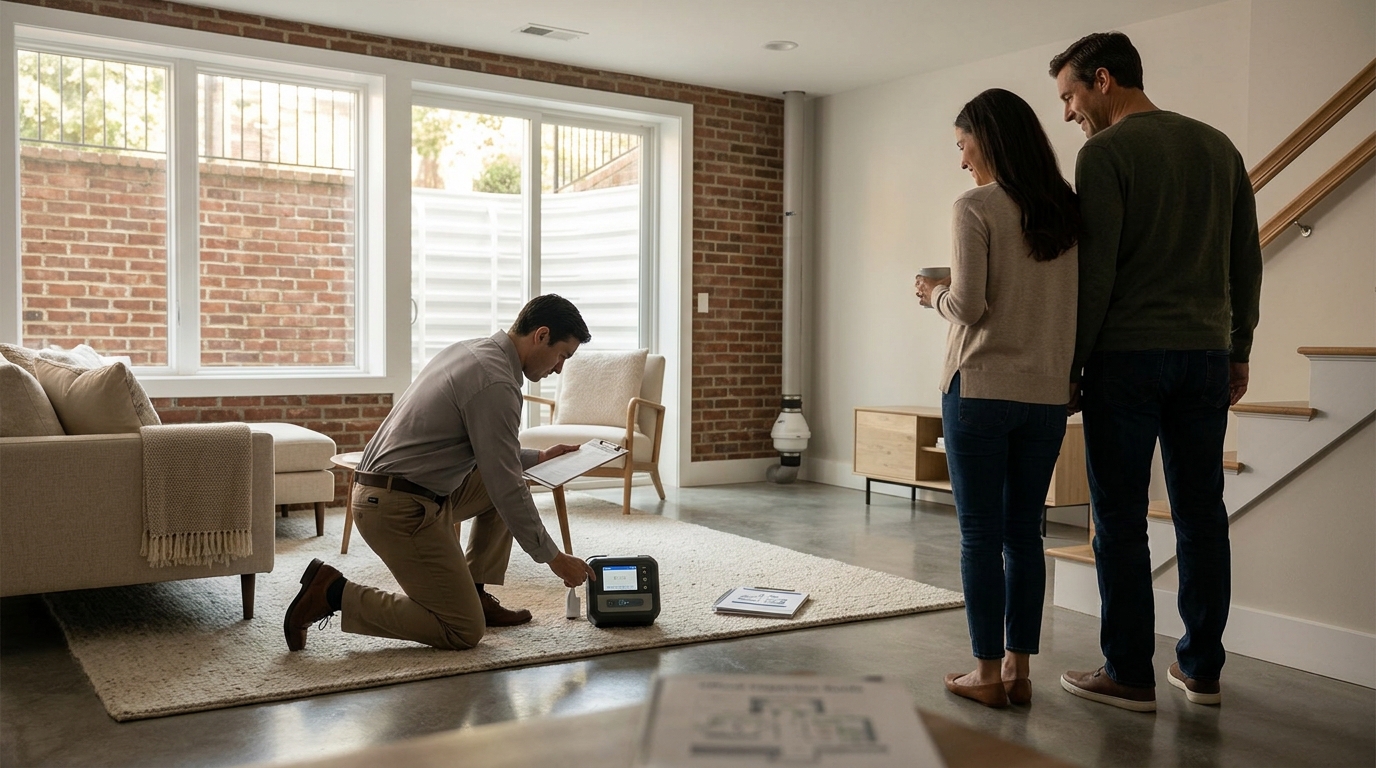
Radon testing is the process of measuring the concentration of radon gas in indoor air. Radon is a colorless, odorless radioactive gas that can accumulate in homes and buildings. The Environmental Protection Agency (EPA) recommends testing all homes below the third floor, as radon can be found in any type of building. Accurate testing is the foundation of any mitigation strategy.
Short-Term vs. Long-Term Testing
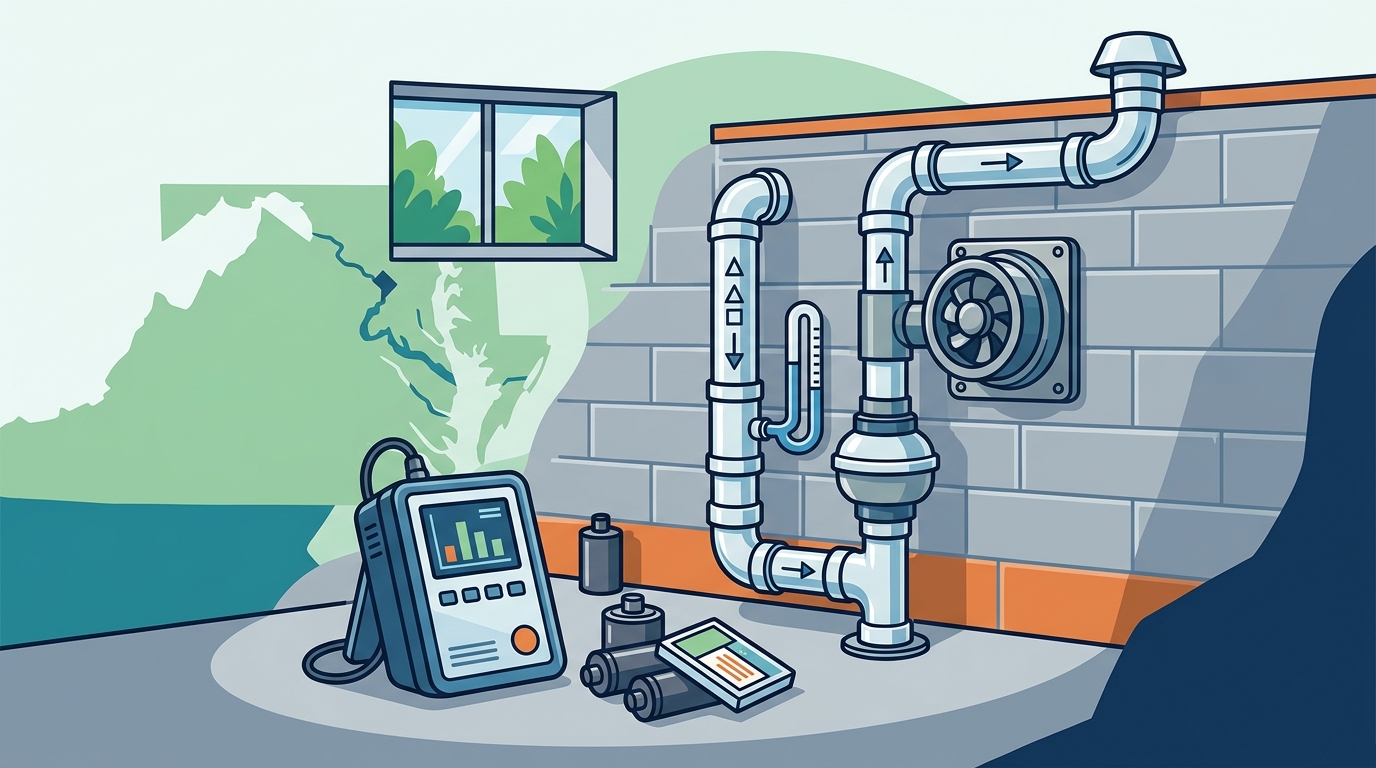
Testing devices vary in duration and purpose. Short-term tests, typically lasting two to seven days, are often used during real estate transactions to provide a quick snapshot of radon levels. Long-term tests, lasting three months or more, provide a more accurate picture of the average radon concentration over time. This distinction is critical for making informed decisions about health and property value. DMV Environmental offers comprehensive testing services that align with EPA guidelines for both residential and commercial properties.
Placement and Protocol
Proper placement of the test device is essential for valid results. Devices should be placed in the most frequently occupied room on the lowest level of the building. Windows and doors must remain closed for the duration of the test to simulate normal living conditions. Failure to follow these protocols can lead to inaccurate readings, either falsely high or falsely low. Professional testing services ensure that these strict protocols are followed, providing reliable data for decision-making.
Radon Testing Providers
Professional vs. DIY Testing
While do-it-yourself (DIY) kits are available, they lack the professional oversight that ensures accuracy. DIY kits can be affected by user error in placement or handling. Professional providers, such as DMV Environmental, handle the installation, retrieval, and laboratory analysis of the test devices. This end-to-end service minimizes the risk of error and provides a certified report that is often required for insurance or real estate transactions.
Interpretation of Results
Receiving a test result is only half the process. Understanding what the numbers mean is equally important. A provider should explain the results in the context of the EPA action level of 4.0 picocuries per liter (pCi/L). If levels are above this threshold, the provider should outline the next steps for mitigation. DMV Environmental provides clear, actionable reports that help clients understand their risk and the necessary corrective actions.
Radon Mitigation Services
System Design and Installation
Designing a mitigation system requires an understanding of the building's foundation and soil conditions. In older buildings, such as those found in historic DC neighborhoods, the foundation may be complex, requiring custom drilling and piping solutions. The installation process involves drilling through the slab or floor, installing a suction pipe, and connecting it to a fan that vents outside. DMV Environmental specializes in abatement and inspections, bringing the technical expertise needed to design and install these systems correctly.
Post-Installation Verification
DMV Radon Companies
The DMV region (District of Columbia, Maryland, and Virginia) has a unique regulatory and environmental landscape. Companies operating in this area must navigate three different state regulatory frameworks. DMV Environmental is positioned as a regional leader, offering services across all three jurisdictions. This regional focus allows for consistent service quality and streamlined project management for clients with properties in multiple states.
Regional Expertise and Compliance
Each state in the DMV region has specific requirements for radon testing and mitigation. For instance, Maryland has strict licensing requirements for radon professionals, while Virginia has its own set of standards. A company that operates across the region must stay current with all three sets of regulations. DMV Environmental's team is certified and licensed to perform services in Maryland, DC, and Virginia, ensuring that clients receive compliant and effective solutions regardless of their property's location.
Comprehensive Environmental Services
Radon is often one of several environmental concerns in a building. DMV Environmental provides a full suite of services, including asbestos, lead, and mold inspections and abatement. This comprehensive approach allows clients to address multiple environmental issues in a single project, reducing disruption and cost. By partnering with a company that offers a wide range of services, clients benefit from a single point of contact for all their environmental needs.
| Service Type | Description | Typical Duration | Key Benefit |
|---|---|---|---|
| Short-Term Testing | Measures radon levels over 2-7 days | 2-7 days | Quick results for real estate transactions |
| Long-Term Testing | Measures radon levels over 3+ months | 3-12 months | Accurate average for health risk assessment |
| Sub-Slab Depressurization | Installs fan and piping to vent radon | 1-3 days | Reduces radon levels by up to 99% |
| Post-Mitigation Testing | Verifies system effectiveness | 2-7 days | Confirms compliance with EPA standards |
Key Takeaways
- Radon is a leading cause of lung cancer in non-smokers, making testing essential for all homes.
- The EPA action level is 4.0 pCi/L; levels above this require mitigation.
- Professional testing ensures accurate results by following strict placement and protocol guidelines.
- Sub-slab depressurization is the most effective mitigation method, reducing levels by up to 99%.
- Contractors must be licensed in the specific state where the property is located.
- DMV Environmental offers certified services across DC, Maryland, and Virginia.
- Post-mitigation testing is required to verify that the system is working effectively.
- Comprehensive environmental services can address radon, lead, and mold in a single project.
Frequently Asked Questions
How often should I test for radon?
The EPA recommends testing every two years, or after any major renovation that affects the foundation. If you have a mitigation system, you should test annually to ensure it is still working properly. Regular testing is the only way to know if radon levels have changed due to seasonal variations or building modifications.
What is the EPA action level for radon?
The EPA action level is 4.0 picocuries per liter (pCi/L). If your test results show levels at or above this threshold, the EPA recommends taking steps to reduce radon levels. Mitigation is generally required for levels above 4.0 pCi/L to protect occupant health.
Can I install a radon mitigation system myself?
While it is technically possible to install a system yourself, it is not recommended. Radon mitigation requires specific knowledge of building foundations and ventilation systems. Improper installation can lead to ineffective mitigation or even indoor air quality issues. It is best to hire a licensed professional to ensure the system is installed correctly and safely.
How much does radon mitigation cost in DC?
Does radon mitigation affect property value?
Yes, a properly mitigated home can be more attractive to buyers. Many buyers are concerned about radon levels, and a home with a functioning mitigation system and low test results is a positive selling point. Conversely, a home with high radon levels and no mitigation plan can be a deterrent. Providing documentation of mitigation and testing can help maintain or increase property value.
What is the difference between radon testing and mitigation?
Radon testing is the process of measuring the concentration of radon gas in indoor air. Radon mitigation is the process of installing a system to reduce those levels. Testing is the diagnostic step, while mitigation is the corrective action. You must test first to determine if mitigation is needed, and then test again after mitigation to verify its effectiveness.
Conclusion
Protecting your home from radon requires a combination of accurate testing and professional mitigation. DMV Environmental provides the expertise and licensing needed to navigate the regulatory landscape of the DMV region. By choosing a certified provider, you ensure that your property is safe and compliant with local standards. For more information on our services, to schedule an assessment.