
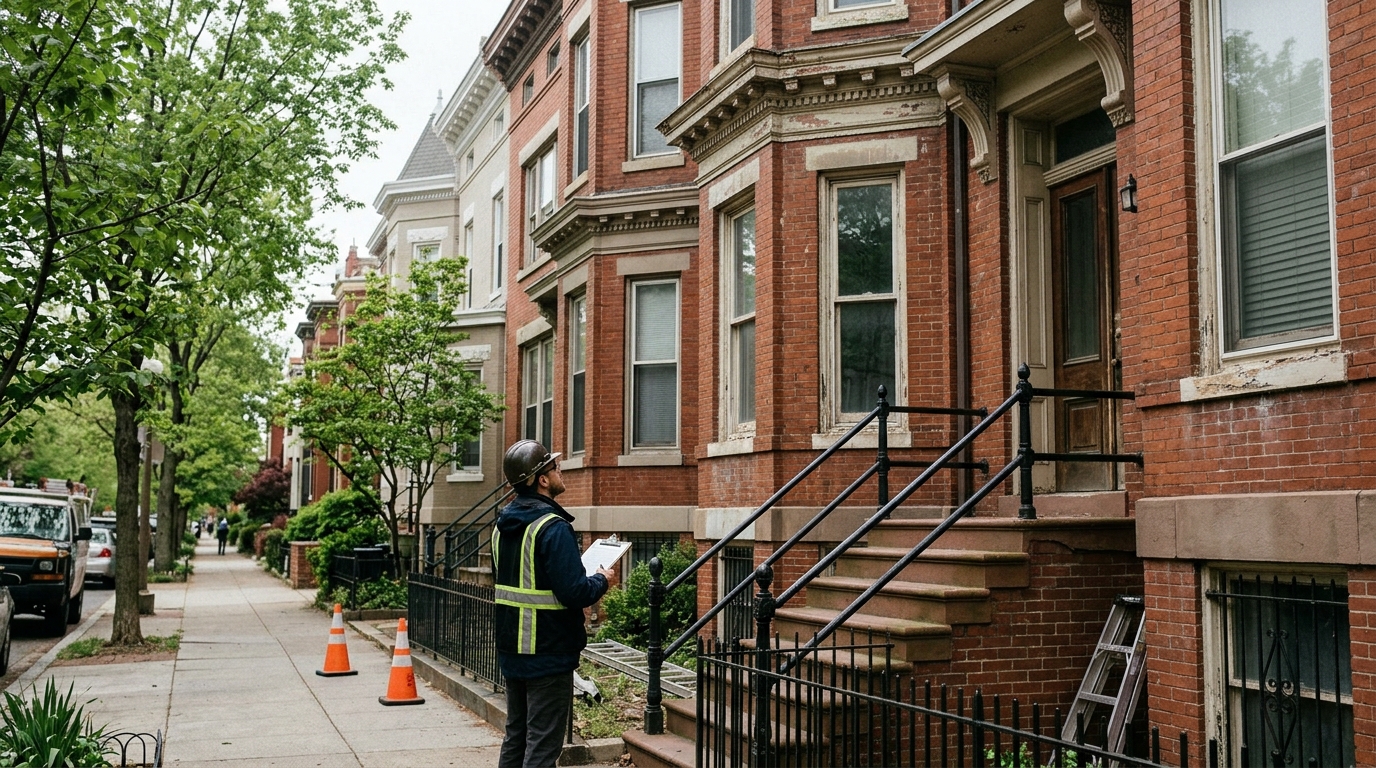
Renovating a DC rowhouse requires strict adherence to lead safety regulations, making the choice of abatement firm critical for both compliance and occupant health. DMV Environmental provides specialized lead paint inspections and abatement services across the DMV region, ensuring your project meets federal and local standards. This guide outlines seven essential criteria to help you build a reliable shortlist of qualified contractors for your renovation.
1. Verify Multi-State Licensing in DC, MD, and VA
Ensure the firm holds active licenses in all three jurisdictions where your property or team may operate. Lead abatement regulations vary significantly between Washington, DC, Maryland, and Virginia. A firm licensed only in one state may not be legally permitted to perform work in another, leading to project delays or legal liability. DMV Environmental maintains certified inspectors who are appropriately licensed to perform services in Maryland, DC, and Virginia, providing seamless coverage for properties across the region.
2. Confirm EPA RRP Certification
Require proof of EPA Renovation, Repair, and Painting (RRP) certification for all on-site workers. The EPA RRP Rule mandates that firms performing renovations in pre-1978 housing must be certified to minimize lead dust exposure. Without this certification, a firm cannot legally conduct lead-safe work in residential properties. Verify that the company you shortlist has documented training and certification for every individual who will enter your home.
3. Assess Experience with Historic Rowhouse Structures
Look for a track record of working with pre-1950 masonry and plaster structures common in DC neighborhoods. Rowhouses often feature unique construction materials, including plaster walls and original wood trim, which require careful handling to avoid damaging the structure while removing lead paint. Firms with specific experience in high-end residences and historic buildings understand the nuances of preserving architectural integrity while achieving safe abatement. DMV Environmental specializes in working within high-end residences and understands the delicate balance between safety and preservation.
4. Evaluate Scope of Environmental Services
Choose a provider that offers comprehensive environmental assessments, not just abatement. Lead often coexists with other hazards such as mold or asbestos in older buildings. A firm that provides full-spectrum services, including indoor air quality assessments and hazardous materials surveys, can identify all risks in a single engagement. DMV Environmental offers a multitude of services including asbestos, lead, and mold abatement, inspections, and indoor air quality assessments, allowing for a holistic approach to your renovation safety.
5. Review Insurance and Liability Coverage
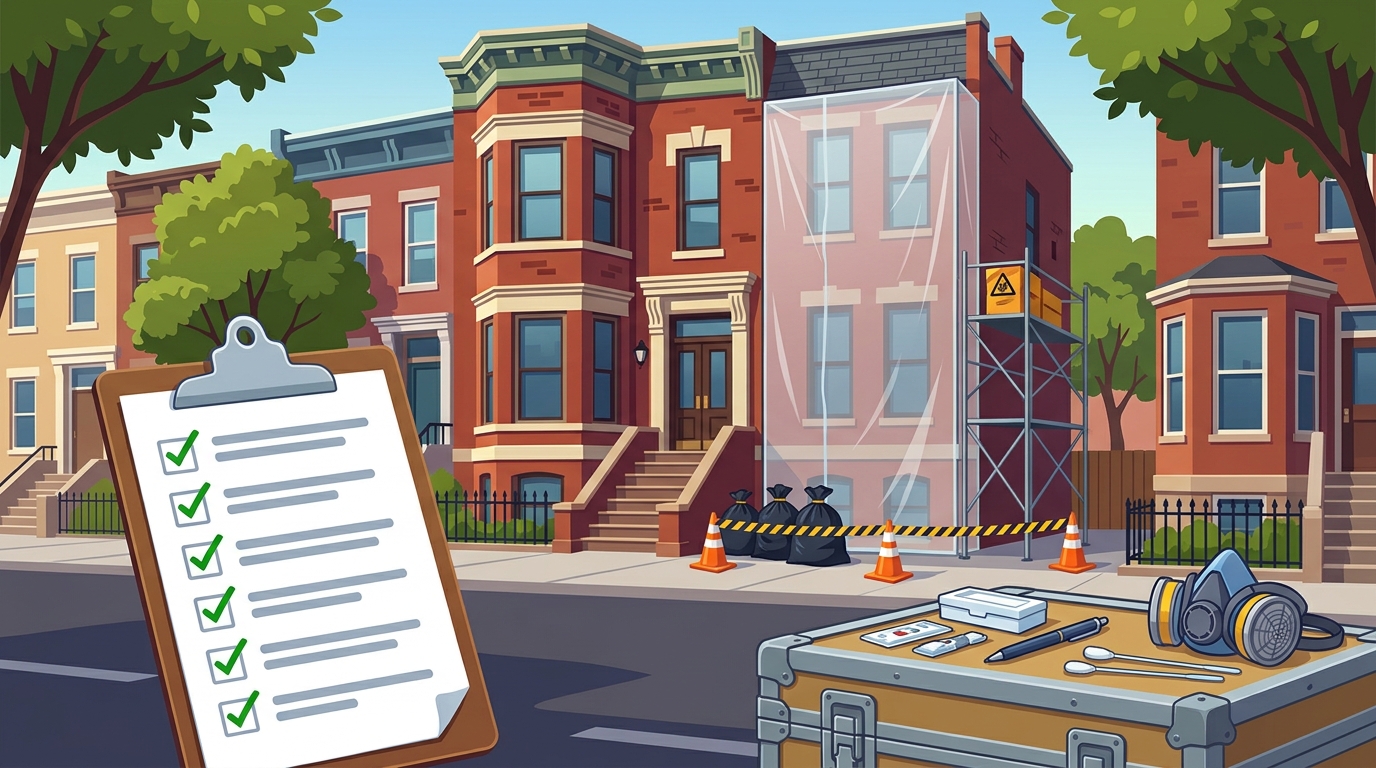
Confirm that the firm carries adequate general liability and environmental pollution insurance. Accidents during abatement can result in significant property damage or health claims. You need a contractor whose insurance policy specifically covers environmental hazards and potential cross-contamination. Request a certificate of insurance that names you as an additional insured party to protect your asset during the renovation process.
6. Check for Certified Business Enterprise Status
7. Demand Transparent Communication and Reporting
Ensure the firm provides clear, written scopes of work and regular progress updates. Effective abatement requires constant coordination between the contractor, inspector, and property owner. A reliable firm will provide a detailed written scope of work and ongoing monitoring reports to keep you informed of dust levels and containment integrity. DMV Environmental provides written scopes of work and on-going monitoring, ensuring you have full visibility into the safety protocols being implemented in your home.
Choosing the Right Partner
When shortlisting firms, prioritize those that combine multi-state licensing with specific experience in historic residential structures. The ideal partner will offer comprehensive environmental services and maintain transparent communication throughout the project. By applying these seven criteria, you can identify a contractor that safeguards both your property and your family's health.
Frequently Asked Questions
Is lead abatement required for all DC rowhouse renovations?
Lead abatement or lead-safe work practices are required for renovations in pre-1978 housing if they disturb more than a certain amount of lead-based paint. The specific threshold depends on the type of work and local DC regulations. An initial inspection is necessary to determine if lead-based paint is present and if abatement is required.
Can I perform lead abatement myself in my DC home?
No, homeowners are generally not permitted to perform lead abatement themselves. The work must be performed by a certified lead abatement firm. Homeowners may perform minor maintenance if they follow EPA lead-safe work practices, but significant removal or encapsulation requires professional certification.
How long does lead abatement take in a rowhouse?
The duration depends on the square footage of lead-based paint and the complexity of the structure. A typical rowhouse renovation may take several weeks to a few months. A detailed scope of work from the abatement firm will provide a more accurate timeline based on the specific conditions of your property.
What is the difference between lead inspection and lead abatement?
Lead inspection is the process of identifying the presence and extent of lead-based paint in a building. Lead abatement is the process of removing or sealing lead-based paint to reduce exposure. Inspection is a diagnostic step, while abatement is the corrective action taken based on the inspection results.
Does DMV Environmental serve properties in Maryland and Virginia?
Yes, DMV Environmental serves clients across the DMV region. Their team of professional inspectors is certified and licensed to perform asbestos and lead services in Maryland, DC, and Virginia, making them a suitable choice for properties located in any of these jurisdictions.