
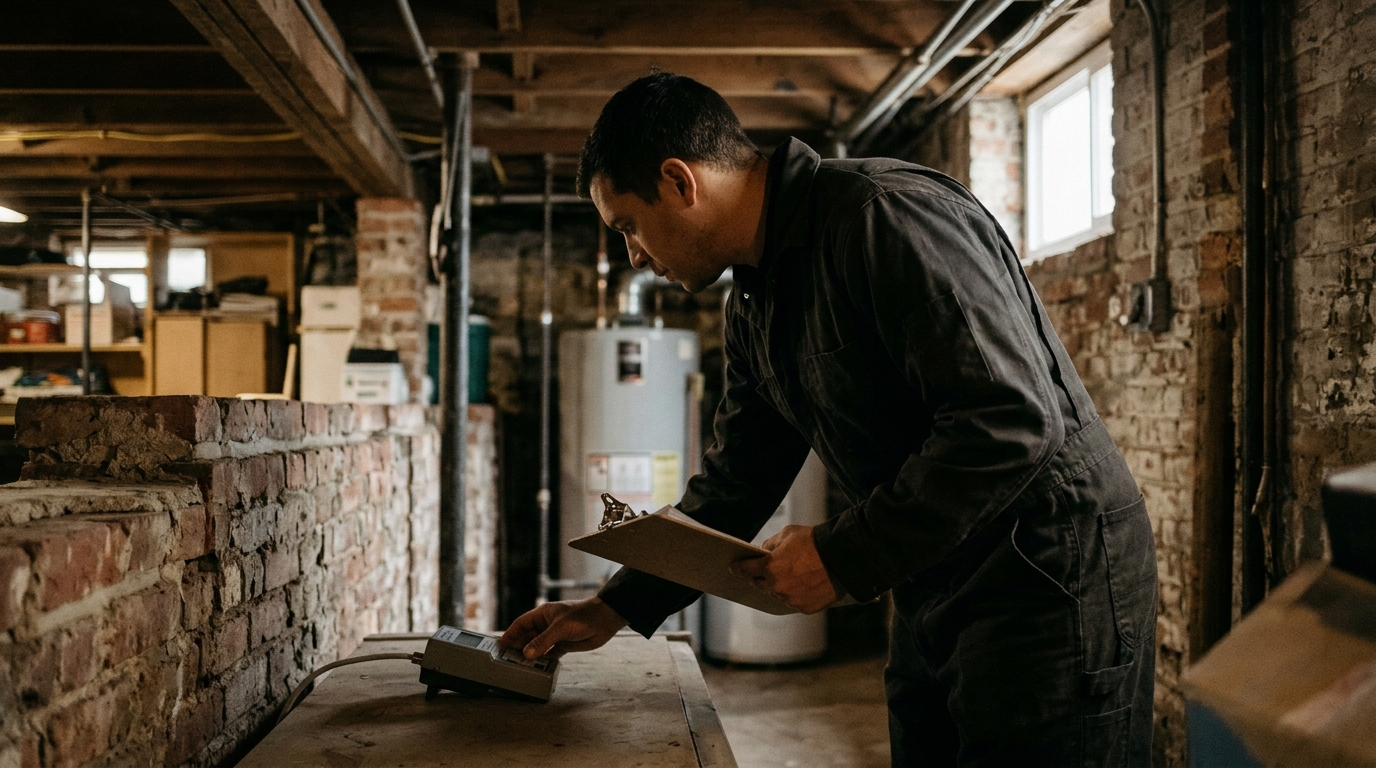
Radon is a colorless, odorless radioactive gas that can accumulate in homes and pose serious health risks. In Washington DC, many older buildings are particularly susceptible to high radon levels due to their age and construction. DMV Environmental provides certified radon testing and mitigation services to help residents identify and resolve these hidden hazards safely and effectively. For additional details, review the About Dmvenvironmental.
Why Radon Matters in Older DC Buildings
Radon is a naturally occurring radioactive gas that seeps from the ground into buildings through cracks in foundations and gaps in floors. In Washington DC, a significant portion of the housing stock consists of pre-1980 structures, which often lack modern sealing techniques. The Environmental Protection Agency (EPA) identifies radon as the leading cause of lung cancer in non-smokers. Because the gas is invisible and has no smell, the only way to know if your home is affected is through professional testing.
Older buildings in the DC metro area often have basements or crawl spaces that are in direct contact with the soil. This proximity allows radon to enter the living space easily. Without proper mitigation, indoor levels can rise well above the EPA action level of 4.0 picocuries per liter (pCi/L). Understanding this risk is the first step toward protecting your family's long-term health.
The Professional Radon Testing Process
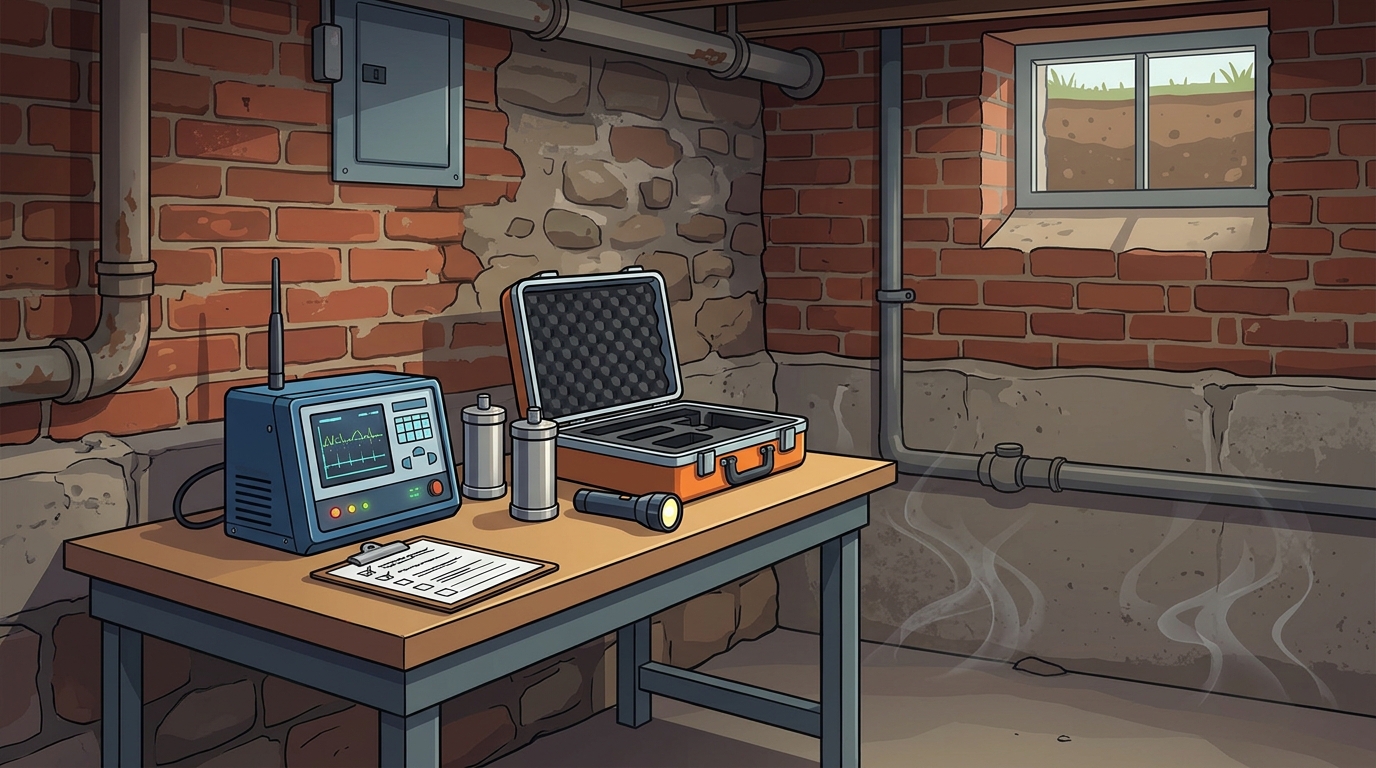
Radon testing is the process of measuring the concentration of radon gas in the air of a building over a specific period. Professional testing differs significantly from consumer do-it-yourself kits in terms of accuracy and legal validity. A certified inspector will place calibrated detectors in the lowest livable area of the home, typically the basement or first floor. These devices are left in place for a minimum of 48 hours, though long-term tests of 90 days or more are often recommended for a more accurate average.
During the test, the home must be maintained in its normal living conditions, with windows and doors closed for at least 12 hours before and during the test. This ensures that the results reflect the actual exposure levels occupants experience. DMV Environmental's inspection services include precise radon monitoring that adheres to strict industry standards, ensuring the data is reliable for both personal peace of mind and real estate transactions.
How Radon Mitigation Systems Work
Radon mitigation is the installation of a system designed to reduce radon levels in a building to safe limits. The most common and effective method is the sub-slab depressurization system, often referred to as a sump pit system. This system involves drilling a hole through the concrete floor and installing a pipe that extends to the soil beneath the foundation. A small fan at the top of the pipe creates negative pressure, pulling radon gas from the soil and venting it safely outside the home, away from windows and air intakes.
Health Impacts and Long-Term Risks
Radon exposure is a cumulative risk, meaning the danger increases with the length of time and the concentration of the gas. The World Health Organization (WHO) classifies radon as a Group 1 carcinogen, the highest level of certainty for causing cancer. When inhaled, radon decays into solid particles that can lodge in the lungs, where they emit alpha radiation that damages DNA. This damage can lead to lung cancer over many years of exposure.
The risk is significantly higher for smokers, as the combination of tobacco smoke and radon creates a synergistic effect that multiplies the likelihood of developing lung cancer. Even at levels below the EPA action level, reducing radon concentrations is beneficial. By addressing high levels promptly, homeowners can drastically lower their lifetime risk of developing respiratory diseases. This is why regular monitoring is recommended, especially in older homes where levels can fluctuate with seasonal changes.
Radon and Real Estate Transactions
Radon testing is a critical component of the real estate process in Washington DC and the surrounding DMV region. Many buyers and sellers now require a radon test as part of the home inspection to ensure the property is safe. If a home tests above the action level, the seller is often expected to install a mitigation system before closing, or the buyer may negotiate a credit to handle the installation themselves.
Disclosing radon levels is a legal requirement in many jurisdictions, and failing to do so can lead to liability issues later. Having a professional test report provides a clear, documented history of the home's air quality. This transparency can make a property more attractive to buyers and can prevent costly disputes during the sale process. For those buying or selling in the area, working with a certified provider ensures that the testing meets all local and federal standards.
Key Takeaways
- Radon is a colorless, odorless gas that is the leading cause of lung cancer in non-smokers.
- Older buildings in Washington DC are particularly susceptible to high radon levels due to construction methods.
- The EPA recommends taking action if radon levels are 4.0 pCi/L or higher.
- Professional testing is more accurate and reliable than consumer kits for legal and health purposes.
- Sub-slab depressurization is the most effective mitigation method for most homes.
- Radon testing is a standard and important part of real estate transactions in the DMV region.
- Regular monitoring is recommended because radon levels can change over time.
Frequently Asked Questions
How often should I test my home for radon?
The EPA recommends testing every two years, or more frequently if you live in an area known for high radon levels. You should also test after any major renovations that affect the foundation or after a previous test showed elevated levels. Seasonal changes can affect radon levels, so testing in different seasons can provide a more complete picture.
Can I install a radon mitigation system myself?
While it is technically possible to install a basic system yourself, it is strongly recommended to hire a certified professional. Improper installation can lead to ineffective mitigation or even push radon into neighboring units in multi-family buildings. A professional ensures the system is correctly sized and installed to meet safety standards.
What is the EPA action level for radon?
The EPA action level is 4.0 picocuries per liter (pCi/L). If your test results show an average concentration at or above this level, the EPA recommends taking steps to reduce the radon levels in your home. This is a guideline, not a legal limit, but it is the standard used by most professionals and real estate agents.
Does radon affect all homes in Washington DC?
No, not all homes have high radon levels. However, because radon comes from the soil, any building can be affected. Older buildings are more likely to have higher levels due to less effective sealing, but even new construction can be susceptible if built on soil with high radon potential. Testing is the only way to know for sure.
How much does radon mitigation cost?
The cost of radon mitigation varies depending on the complexity of the installation and the type of foundation. In the DC area, costs can range from a few hundred to several thousand dollars. It is best to get a quote from a certified professional who can assess your specific situation and provide an accurate estimate.
Is radon testing required by law in DC?
While there is no universal law requiring every home to be tested, radon testing is often required or strongly recommended during real estate transactions. Additionally, certain types of buildings, such as schools and daycares, may have specific testing requirements under federal or local regulations. It is always a good idea to check with local authorities or a professional for specific requirements.
Protect Your Home with DMV Environmental
Radon is a serious but manageable health risk. By understanding the dangers and taking proactive steps to test and mitigate, you can ensure a safe living environment for your family. DMV Environmental is your trusted partner in the DMV region, offering certified radon testing and mitigation services with a focus on accuracy and customer satisfaction. To schedule your inspection and take the first step toward a healthier home, contact our team.