

Selecting the Right Radon Testing and Mitigation Provider in Washington DC
Radon is the leading cause of lung cancer in non-smokers, according to the Environmental Protection Agency. This invisible, odorless gas seeps into homes through foundation cracks and soil gaps, accumulating to dangerous levels over time. In the Washington DC metropolitan area, including Maryland and Virginia, the geological composition often traps radon gas beneath residential properties. Homeowners cannot rely on visual cues to detect this hazard. Professional intervention is the only reliable method to ensure safety. This guide outlines the critical steps for selecting a qualified provider, understanding regulatory mandates, and executing effective mitigation strategies.
Understanding Radon Risks and EPA Standards
Radon is a radioactive gas that forms from the natural decay of uranium in soil, rock, and water. It moves up through the ground and can enter homes through cracks and other openings in solid floors. The concentration of radon is measured in picocuries per liter of air (pCi/L). The EPA recommends taking action to reduce radon levels if they are above 4 pCi/L. This threshold is not arbitrary; it is based on extensive epidemiological studies linking long-term exposure to increased lung cancer risk.
For landlords in the District of Columbia, the stakes are even higher. Landlords may be legally obligated to test for radon in their rental properties. Failure to mitigate high levels within six months can result in significant liability. The EPA recommends testing for radon in both air and water, and taking action if levels are above 4 pCi/L in air or 4,000 pCi/L in water. This dual requirement ensures that water usage, such as showering, does not contribute to indoor air contamination.
DC Regulatory Landscape and Landlord Obligations
Washington DC has specific regulations regarding environmental safety in rental properties. While federal guidelines provide the baseline, local ordinances enforce stricter compliance. DMV Environmental operates with certified inspectors licensed to perform services in Maryland, DC, and Virginia. This regional expertise is crucial because soil composition varies significantly across the tri-state area.
For commercial properties, the requirements are equally rigorous. The EPA requires that any building undergoing renovation or demolition undergo an asbestos survey regardless of age. While this focuses on asbestos, it highlights the broader regulatory environment in DC. Environmental due diligence is not optional; it is a prerequisite for property management. DMV Environmental’s team of licensed lead inspectors have extensive experience conducting lead investigations in commercial properties, multi-family dwellings, schools, day care facilities and single family residential properties. This experience translates directly to radon management, as the protocols for identifying and sealing entry points are similar.
Testing Methodologies and Accuracy
Accurate testing is the foundation of any successful radon mitigation strategy. There are two primary types of tests: short-term and long-term. Short-term tests last from two days to 90 days. They provide quick results but may be influenced by seasonal variations in atmospheric pressure. Long-term tests last more than 90 days. They provide a more accurate picture of average radon levels over time.
DMV Environmental provides fast and efficient radon testing in DC, Maryland and Virginia. Their approach involves professional-grade equipment that meets national standards. DIY kits are available, but they lack the calibration and interpretation expertise of certified professionals. A misinterpreted result can lead to unnecessary panic or, worse, a false sense of security. Professional testing includes a detailed report that explains the methodology, the results, and the recommended next steps.
Mitigation Systems and Installation
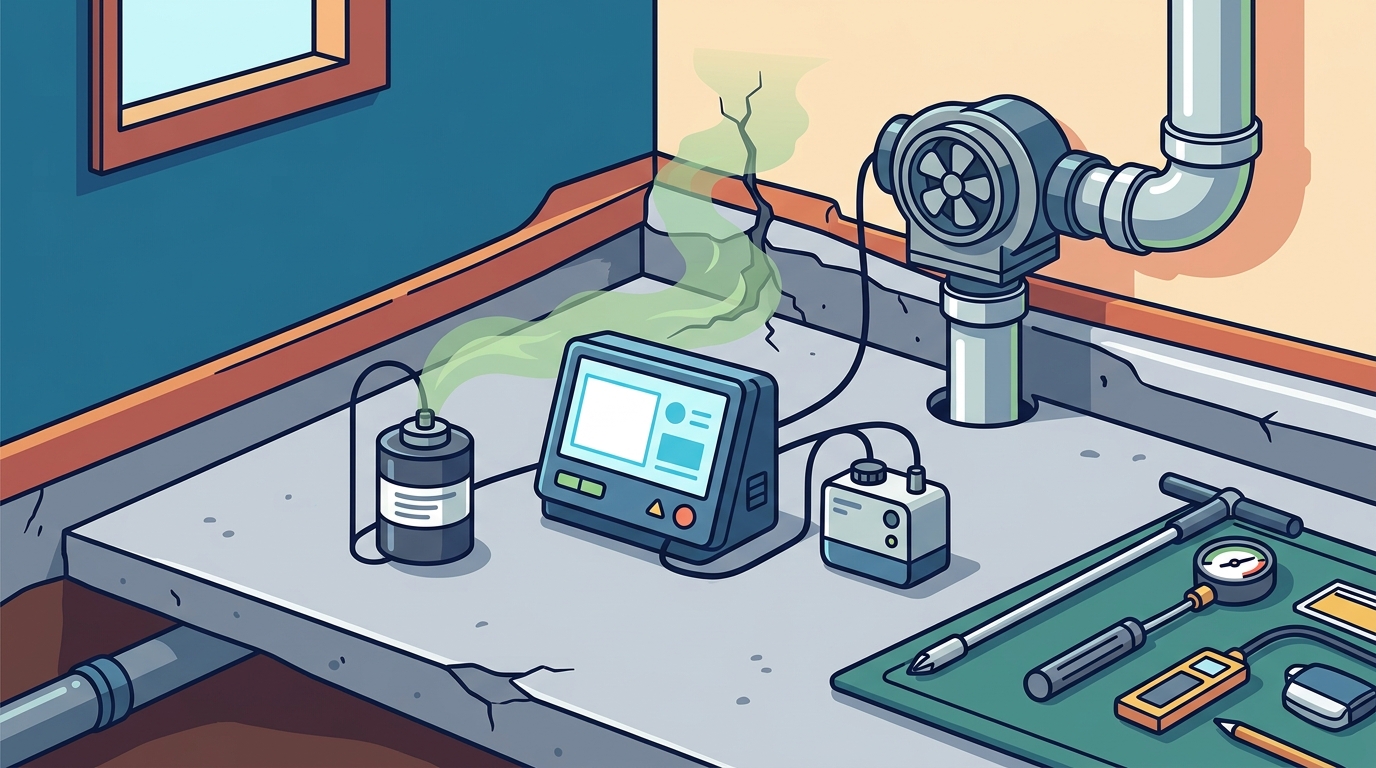
If testing reveals elevated radon levels, mitigation is necessary. The most common and effective method is the Active Soil Depressurization (ASD) system. This system uses a vent pipe and fan to pull radon gas from beneath the house and vent it safely outside. Radon Mitigation Systems Installed For As Little As $3500 is a realistic starting point for standard residential installations, though costs vary based on foundation type and home size.
The installation process requires precision. The vent pipe must be sealed to the foundation, and the fan must be positioned to ensure continuous airflow. Improper installation can render the system ineffective or even exacerbate the problem by drawing radon from other areas. DMV Environmental dedicated to providing fast and efficient radon testing in DC, Maryland and Virginia. Let us make your home safe. Call today: (202) 710-2828. Their team ensures that every system is tested post-installation to verify performance.
Provider Selection Criteria
Choosing the right provider involves evaluating several key factors. First, verify certification. Inspectors and mitigators must be certified by the appropriate state or national agency. Second, check for experience. A provider with a history of working in the DC area will understand local soil conditions and building codes. Third, review their service scope. A comprehensive provider offers testing, mitigation, and follow-up verification.
| Service Component | Key Considerations | DMV Environmental Advantage |
|---|---|---|
| Testing Accuracy | Certified equipment, professional interpretation | Professional inspectors certified in DC, MD, VA |
| Mitigation Design | Customized system for foundation type | Tailored scope of work plans |
| Regulatory Compliance | Adherence to EPA and local DC laws | Deep knowledge of regional mandates |
| Emergency Response | Availability for urgent issues | Dedicated emergency response team |
DMV Environmental specializes in doing work in hotels, high-rise office buildings and residences, retail spaces, private schools, and hospitals. This breadth of experience means they can handle complex commercial projects as well as residential homes. Their professional staff and certified inspectors have the industry knowledge and experience to complete your project with accuracy and excellence. This is particularly important for multi-unit dwellings where radon levels can vary between units.
Key Takeaways
- Radon is the leading cause of lung cancer in non-smokers, according to the EPA.
- The EPA action level for radon in air is 4 pCi/L.
- Landlords in DC may be legally obligated to test and mitigate radon in rental properties.
- Radon Mitigation Systems can be installed for as little as $3500 for standard residential units.
- DMV Environmental provides services in Maryland, DC, and Virginia with certified inspectors.
- Professional testing is more accurate than DIY kits due to calibration and interpretation expertise.
- Active Soil Depressurization is the most effective mitigation method for most homes.
Frequently Asked Questions
How often should I test for radon in my DC home?
It is recommended to test your home every two years. If you have recently mitigated radon, a follow-up test is necessary to ensure the system is working correctly. Long-term testing provides the most accurate data regarding average exposure levels.
Can radon levels change over time?
Yes, radon levels can fluctuate due to changes in atmospheric pressure, seasonal weather patterns, and structural changes to the home. A home that tested low five years ago may now have elevated levels.
What is the average cost of radon mitigation in Washington DC?
Radon Mitigation Systems Installed For As Little As $3500 is a common baseline for standard homes. Costs can increase based on foundation complexity, such as slab-on-grade versus basement, and the length of the venting system required.
Do I need a licensed professional for radon testing?
While DIY kits are available, professional testing is recommended for accuracy and legal compliance, especially for landlords. DMV Environmental’s team of licensed lead inspectors have extensive experience conducting lead investigations in commercial properties, multi-family dwellings, schools, day care facilities and single family residential properties, ensuring precise radon assessment as well.
How long does radon mitigation take?
Most residential mitigation systems can be installed in one to two days. The process involves sealing foundation cracks, installing a vent pipe, and mounting a fan. Post-installation testing confirms the system's effectiveness immediately.
Is radon testing required for commercial buildings in DC?
Yes, environmental due diligence is critical for commercial properties. The EPA requires that any building undergoing renovation or demolition undergo an asbestos survey regardless of age, and radon testing is a parallel requirement for healthy indoor environments.
What should I look for in a mitigation provider?
Look for certification, local experience, and a comprehensive service offering. DMV Environmental provides a multitude of services including asbestos, lead, mold inspections/investigations, and indoor air quality (IAQ) assessments, ensuring a holistic approach to environmental safety.
Partner with DMV Environmental
Protecting your property from radon requires expertise and precision. DMV Environmental offers fast and efficient radon testing in DC, Maryland and Virginia. Their dedicated team ensures that every project, from residential inspections to commercial abatement, meets the highest standards of safety and compliance. Let us make your home safe. Call today: (202) 710-2828. Or contact us online to schedule your assessment.