
Common Radon Testing and Mitigation Mistakes to Avoid in Washington DC
Radon is the leading cause of lung cancer in non-smokers, a fact that demands immediate attention for homeowners in the District of Columbia. According to the EPA, radon testing is strongly encouraged for all properties, yet many residents overlook critical steps that compromise safety. The EPA recommends testing for radon in both air and water, and taking action if levels are above 4 pCi/L in air or 4,000 pCi/L in water. Ignoring these thresholds can lead to severe health risks and costly remediation errors later. This guide outlines the most frequent pitfalls in radon management and provides the correct protocols to ensure your home remains safe. (Contact us Dmvenvironmental)
Testing Errors That Skew Results
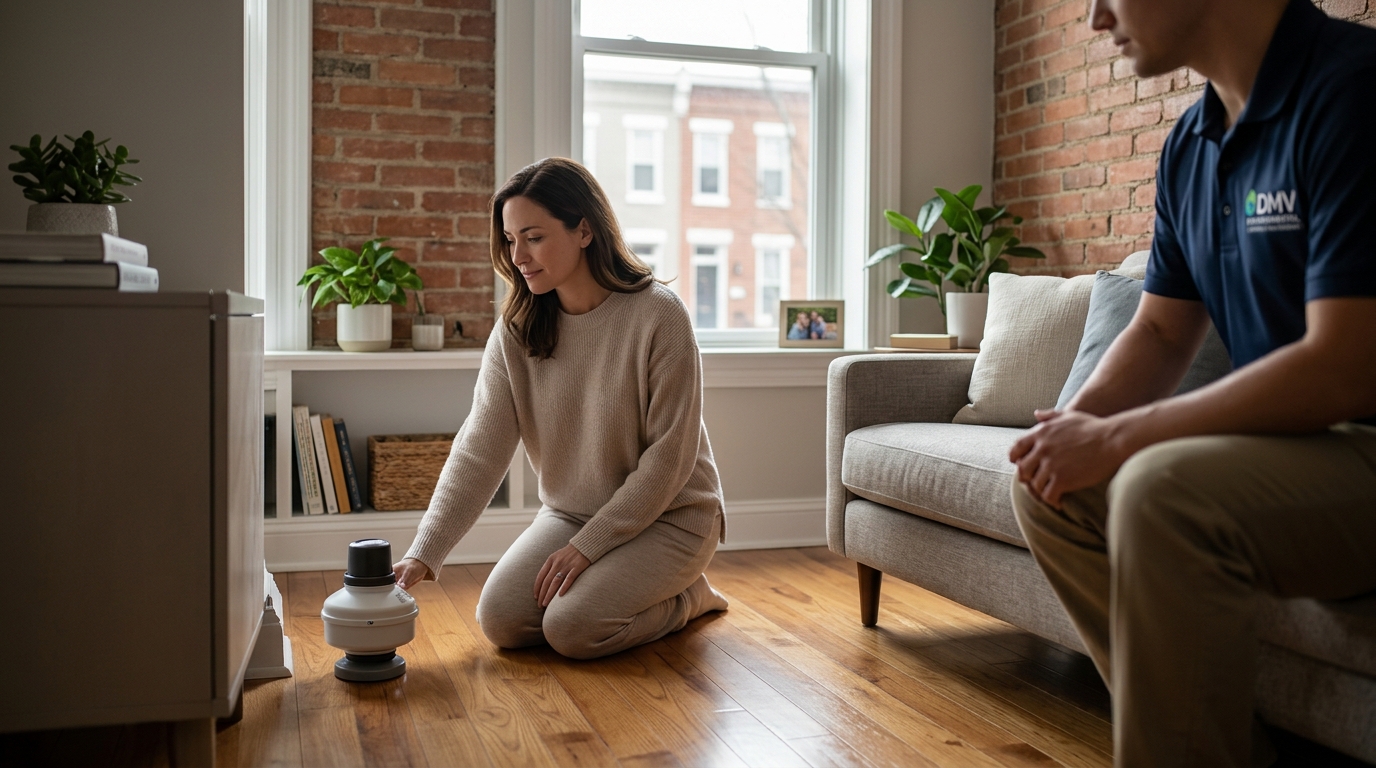
Accurate radon testing is the foundation of any successful mitigation strategy. However, improper testing procedures can lead to false negatives or inflated readings, causing unnecessary panic or false security. One of the most common mistakes is failing to follow closed-house conditions. Radon levels fluctuate based on air pressure and temperature changes. If windows or doors are left open during a short-term test, the results will be inaccurate. (About Dmvenvironmental)
Another critical error is placing the detector in the wrong location. Radon gas enters through the foundation and accumulates in the lowest lived-in level of the home. Placing a detector in a basement that is rarely occupied or in a finished attic will not provide a true picture of exposure risk. The EPA states that testing should be conducted in the lowest lived-in level, such as a finished basement or ground-floor living space. (About Dmvenvironmental)
Interfering with the testing environment is also a frequent issue. HVAC systems, ceiling fans, and even opening windows for ventilation during the test period can drastically alter results. Homeowners must ensure that the testing environment remains static for the duration of the test. For long-term tests, this means maintaining normal living conditions without making significant changes to the home's ventilation or pressure dynamics. (Services Dmvenvironmental)
Short-Term vs. Long-Term Testing
Choosing between short-term and long-term testing depends on your immediate needs. Short-term tests provide quick results but may not account for seasonal variations. Long-term tests offer a more accurate annual average but require a longer commitment. For real estate transactions, short-term tests are common, but long-term tests provide a clearer picture of long-term risk.
Mitigation System Failures
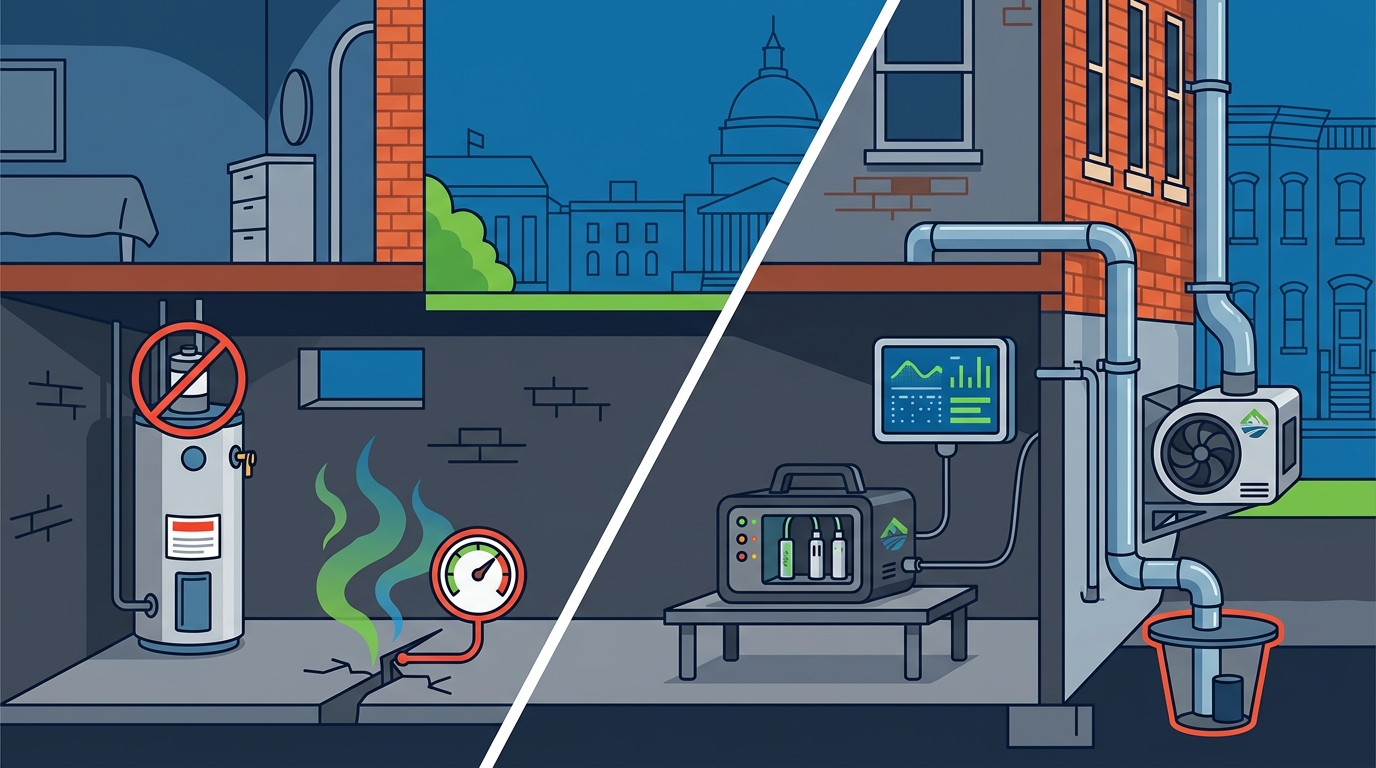
Once high radon levels are confirmed, mitigation is the next step. However, improper installation of mitigation systems can render them ineffective. The most common mistake is failing to seal all entry points before installing the fan system. A passive mitigation system relies on natural pressure differences, which are often insufficient in modern, tightly sealed homes. Active systems, which use a fan to pull radon from beneath the foundation and vent it outside, are more reliable.
Another critical error is improper vent pipe placement. The vent pipe must extend at least 10 feet above the roofline to ensure that radon gas dissipates safely into the atmosphere. If the vent is too close to windows or air intakes, radon can re-enter the home, negating the mitigation effort. Additionally, the fan must be accessible for maintenance and monitoring. Hiding the fan in an inaccessible attic or crawlspace can lead to undetected system failures.
Radon is the leading cause of lung cancer in non-smokers. The EPA recommends mitigating homes with radon levels at or above 4 pCi/L. DMV Environmental provides fast and efficient radon testing in DC, Maryland and Virginia. Let us make your home safe. Call today: (202) 710-2828. Our dedicated team ensures that every mitigation system is installed to the highest standards, preventing future health risks and compliance issues.
Passive vs. Active Systems
Passive systems are cost-effective but may require activation if radon levels remain high. Active systems are more expensive upfront but offer greater reliability. The choice depends on the home's construction and the severity of the radon issue. In many DC homes, active systems are necessary due to the dense urban environment and foundation types.
DC Regulatory Compliance Pitfalls
Homeowners and landlords in Washington DC must navigate specific regulatory requirements regarding radon testing and mitigation. Landlords may legally obligated to test for radon in their rental properties, and to mitigate high levels (4 pCi/L or higher) within six months. Failure to comply can result in legal penalties and liability for health issues affecting tenants.
One common mistake is assuming that a previous test result is still valid. Radon levels can change over time due to structural modifications, weather patterns, and soil composition changes. Regular re-testing is essential to ensure ongoing safety. Additionally, landlords must keep records of all testing and mitigation efforts to demonstrate compliance in the event of an inspection or legal dispute.
Another compliance pitfall is neglecting water testing. Radon can enter homes through well water, not just soil gas. The EPA recommends testing for radon in both air and water. If your home relies on a private well, water testing is crucial. DMV Environmental can also address potable water quality and legionella concerns, ensuring comprehensive protection for your property.
Documentation and Record Keeping
Maintaining detailed records of all radon-related activities is essential for compliance and liability protection. This includes test results, mitigation system installation reports, and maintenance logs. These documents serve as proof of due diligence and can protect property owners from legal action in the event of health issues.
Cost vs. Quality in Mitigation
Radon mitigation costs vary based on the complexity of the installation and the home's structure. While it is tempting to choose the lowest bidder, cutting corners can lead to ineffective systems and higher long-term costs. The Builiding Sciences team of DMV Environmental provides a multitude of services including asbestos, lead, and mold, abatement, inspections and indoor air quality (IAQ) assessments. Our professional staff and certified inspectors have the industry knowledge and experience to complete your project with accuracy and excellence.
Radon Mitigation Systems Installed For As Little As $3500. This price point reflects a standard active soil depressurization system. However, complex installations may require additional sealing, venting, or fan upgrades. It is essential to obtain detailed quotes from licensed professionals who can assess the specific needs of your home. DMV Environmental’s team of licensed lead inspectors have extensive experience conducting lead investigations in commercial properties, multi-family dwellings, schools, day care facilities and single family residential properties. This expertise extends to environmental hazards like radon, ensuring thorough and compliant mitigation.
Long-Term Maintenance Costs
Mitigation systems require regular maintenance to remain effective. Fans need to be replaced every five to seven years, and vent pipes must be inspected for blockages. Homeowners should budget for these ongoing costs to ensure the system continues to protect their health. DMV Environmental offers ongoing monitoring and maintenance services to keep your system running efficiently.
Key Takeaways
- Radon is the leading cause of lung cancer in non-smokers, making testing essential for all DC residents.
- Testing errors, such as improper placement or interference with HVAC systems, can skew results and lead to false security.
- Mitigation systems must be installed correctly, with vent pipes extending at least 10 feet above the roofline.
- Landlords in DC are legally obligated to test for radon in rental properties and mitigate levels above 4 pCi/L within six months.
- Water testing is crucial for homes with private wells, as radon can enter through water sources.
- DMV Environmental provides comprehensive radon testing and mitigation services in DC, Maryland, and Virginia.
- Regular maintenance of mitigation systems is necessary to ensure long-term effectiveness and safety.
Frequently Asked Questions
How often should I test for radon in my DC home?
It is recommended to test for radon every two years, or after any significant structural changes to your home. If you are a landlord, regular testing is required by law to ensure tenant safety.
What is the safe level of radon in a home?
The EPA recommends taking action if radon levels are at or above 4 pCi/L. While no level of radon is completely safe, reducing levels below this threshold significantly lowers health risks.
Can radon enter my home through water?
Yes, radon can enter homes through well water. The EPA recommends testing for radon in both air and water, especially for homes with private wells.
How long does radon mitigation take?
Standard radon mitigation systems can be installed in one to two days. Complex installations may take longer depending on the home's structure and the severity of the radon issue.
Do I need a licensed professional for radon testing?
While DIY test kits are available, hiring a licensed professional ensures accurate results and proper interpretation. DMV Environmental’s team of certified inspectors provides reliable testing and mitigation services in DC, Maryland, and Virginia.
What happens if my radon levels are high?
If radon levels are high, mitigation is necessary. This typically involves installing an active soil depressurization system to vent radon gas outside the home. DMV Environmental can help you navigate this process efficiently.
Is radon mitigation covered by insurance?
Most standard home insurance policies do not cover radon mitigation costs. However, some policies may cover related damages, such as water intrusion. It is important to review your policy and consult with DMV Environmental for guidance.
Secure Your Home with DMV Environmental
Radon testing and mitigation are critical steps in protecting your health and complying with DC regulations. Avoid common mistakes by partnering with experienced professionals who understand the unique challenges of the region. DMV Environmental is dedicated to providing fast and efficient radon testing in DC, Maryland and Virginia. Let us make your home safe. Call today: (202) 710-2828. Contact us today to schedule your assessment and ensure your property meets all safety standards.