
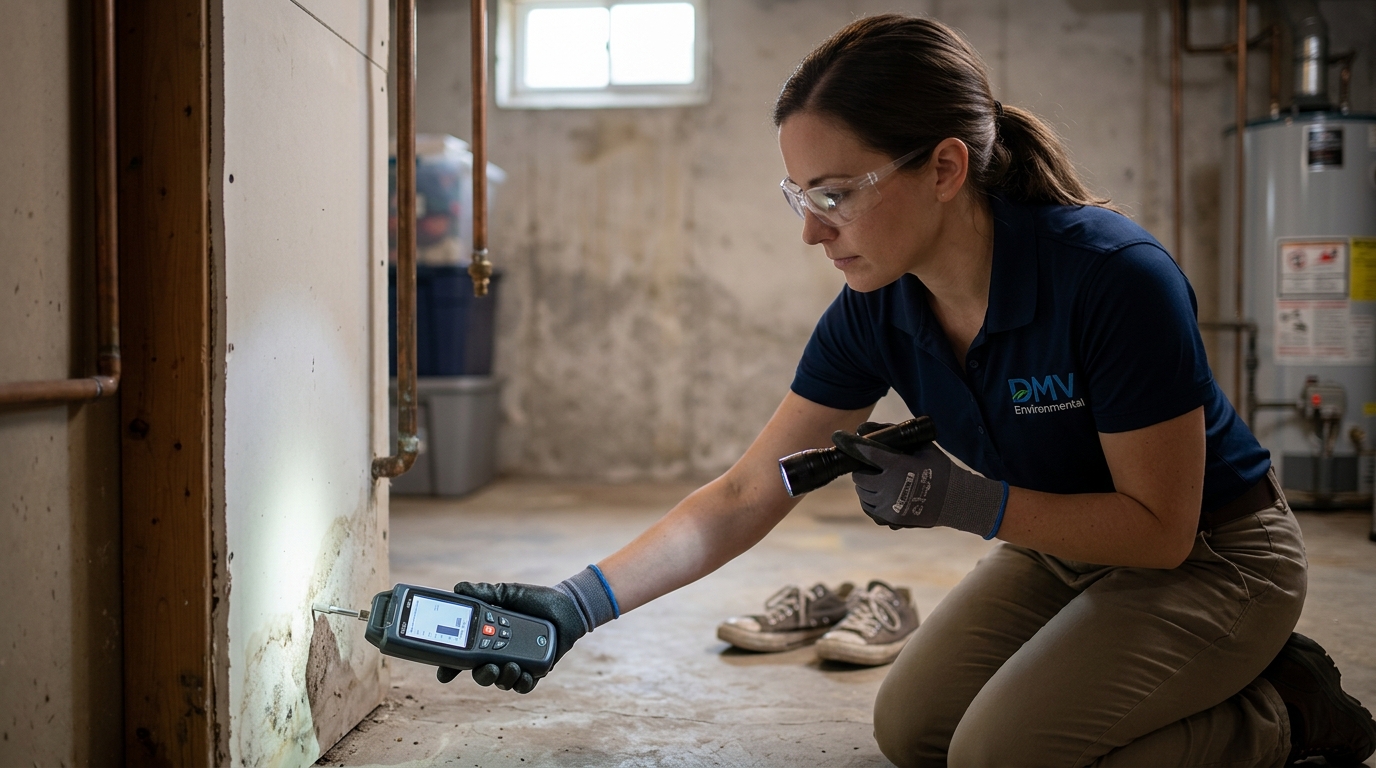
Mold growth in the Mid-Atlantic region is not merely an aesthetic nuisance; it is a structural and health hazard exacerbated by the humid subtropical climate of Washington DC, Maryland, and Virginia. According to the Environmental Protection Agency (EPA), mold can begin growing on wet surfaces within 24 to 48 hours, making rapid professional intervention critical. Homeowners and commercial property managers in this tri-state area frequently underestimate the complexity of mold removal, leading to costly re-contamination and legal liabilities. This guide outlines the most prevalent errors in mold remediation and provides the technical framework for effective resolution.
Why DIY Mold Removal Fails in Humid Climates
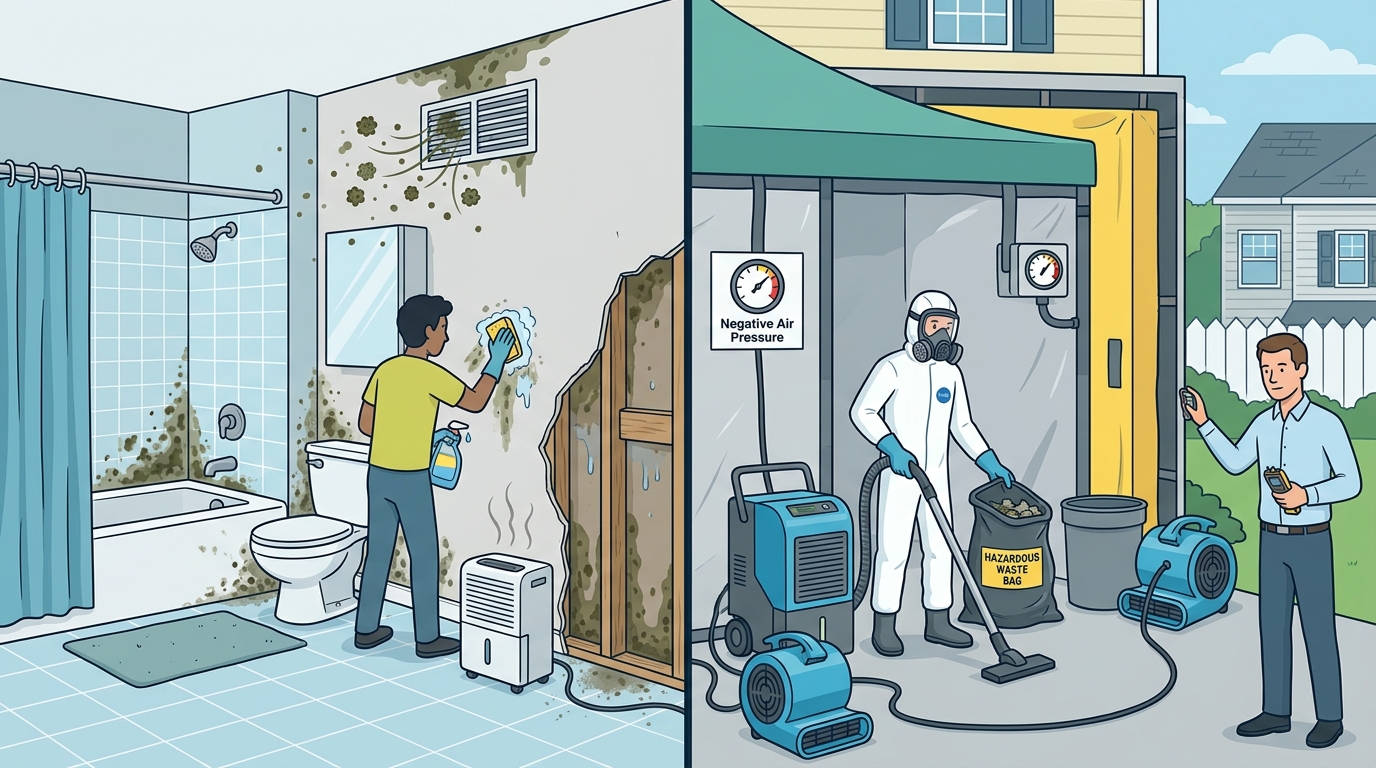
The most common mistake homeowners make is attempting to remove mold without understanding the biological nature of the organism. Mold is a type of fungus that reproduces via microscopic spores. When these spores are disturbed during improper cleaning, they become airborne and spread to other parts of the property. In the high-humidity environments of DC and Northern Virginia, these spores find ideal conditions for immediate re-colonization.
Many residents believe that bleach is an effective solution for mold on porous surfaces. This is a dangerous misconception. Bleach only kills surface mold on non-porous materials like tile or glass. On drywall, wood, or carpet, bleach cannot penetrate deep enough to kill the root structure (mycelium). Consequently, the mold returns with greater intensity. Professional remediation requires specialized biocides and physical removal of contaminated materials to ensure complete eradication. For more details on our comprehensive approach, visit our Mold Services page.
Ignoring the Moisture Source
Remediating mold without fixing the underlying water intrusion is like treating a symptom while ignoring the disease. Mold requires moisture to grow. If the source of the water leak, plumbing failure, or condensation issue is not identified and repaired, the mold will inevitably return. In older DC row homes and Maryland colonial properties, hidden leaks behind walls or under slabs are frequent culprits.
Property owners often focus solely on the visible mold growth. However, professional inspectors use moisture mapping and thermal imaging to detect hidden dampness. DMV Environmental’s team conducts thorough mold investigations to locate the origin of water intrusion. Without addressing the root cause, any remediation effort is temporary and financially wasteful. We specialize in identifying these hidden hazards in commercial and residential properties across the DMV area.
Failing to Contain Cross-Contamination
During the removal process, mold spores become airborne. Without proper containment, these spores spread to clean areas of the building, contaminating HVAC systems, furniture, and personal belongings. A critical mistake in DIY remediation is the lack of negative air pressure containment. Professionals use plastic sheeting to seal off the work area and employ HEPA-filtered air scrubbers to maintain negative pressure, ensuring spores do not escape the containment zone.
Another oversight is the failure to properly clean HVAC systems. If mold is present in the ductwork, running the system during remediation will distribute spores throughout the entire property. Our indoor air quality (IAQ) assessments include rigorous testing to ensure that air quality is restored to safe levels post-remediation. Ignoring this step can lead to widespread health issues for occupants, including respiratory distress and allergic reactions.
Skipping Post-Remediation Verification
One of the most costly errors is assuming the job is done without independent verification. Visual inspection alone is insufficient to confirm that mold levels have returned to normal. Post-remediation verification (PRV) involves air sampling and surface sampling by a third-party inspector or a certified professional to ensure that mold spore counts are within acceptable limits.
In Maryland and Virginia, best practices dictate that clearance testing should be performed before the containment is removed. This ensures that the remediation was successful and that the space is safe for re-occupancy. DMV Environmental provides clearance inspections and remediation oversight to guarantee that your property meets all health and safety standards. Skipping this step can result in legal liabilities, especially in commercial leases and rental properties.
Neglecting Regional Regulatory Compliance
Different jurisdictions in the DMV area have specific regulations regarding mold remediation. For instance, while federal EPA guidelines provide a framework, state and local laws in Maryland and Virginia may impose additional requirements for licensed professionals. In DC, certain types of remediation may require specific permits or licensed contractors, particularly in multi-family dwellings and schools.
Homeowners and business owners must be aware of these regulations to avoid fines and legal complications. DMV Environmental is staffed with certified and licensed inspectors who are knowledgeable about the regulatory landscape in Maryland, DC, and Virginia. Our team ensures that all remediation projects comply with local codes and industry best practices. For more information on our compliance standards, please review our About Us page.
Professional vs. DIY Remediation Comparison
Understanding the differences between professional remediation and DIY attempts is crucial for making informed decisions. The table below highlights the key distinctions in methodology, safety, and long-term efficacy.
| Factor | DIY Remediation | Professional Remediation (DMV Environmental) |
|---|---|---|
| Containment | Often neglected, leading to cross-contamination. | Full negative air pressure containment and HEPA filtration. |
| Moisture Detection | Visual inspection only; hidden leaks missed. | Advanced moisture mapping and thermal imaging. |
| Verification | No post-remediation testing. | Third-party air and surface clearance testing. |
| Regulatory Compliance | Unknown or non-compliant with local laws. | Full compliance with MD, DC, and VA regulations. |
| Health Safety | High risk of spore exposure to occupants. | Strict PPE protocols and air quality monitoring. |
Key Takeaways
- Mold Growth Speed: Mold can begin growing within 24 to 48 hours of water exposure, requiring immediate action.
- Bleach Inefficacy: Bleach is ineffective on porous surfaces and does not kill mold roots, leading to recurrence.
- Containment Importance: Proper containment prevents cross-contamination and protects the rest of the property from spore spread.
- Moisture Source: Identifying and fixing the water source is essential; otherwise, mold will return.
- Verification Necessity: Post-remediation air and surface testing is critical to ensure the space is safe for re-occupancy.
- Regulatory Knowledge: Local regulations in DC, Maryland, and Virginia may require licensed professionals for certain remediation tasks.
- Professional Expertise: DMV Environmental offers certified inspections and remediation services tailored to the DMV region.
Frequently Asked Questions
How long does mold remediation take in DC properties?
The duration depends on the extent of the contamination. Small-scale issues may take 1 to 3 days, while large-scale commercial projects can take several weeks. DMV Environmental provides accurate timelines during the initial assessment.
Is mold remediation covered by home insurance in Maryland?
Insurance coverage varies by policy. Typically, sudden and accidental water damage may be covered, but gradual leaks or neglect are often excluded. It is important to review your policy and consult with DMV Environmental for documentation to support your claim.
Can I stay in my home during mold remediation?
It is generally recommended that occupants, especially children, the elderly, and those with respiratory conditions, vacate the property during remediation to avoid exposure to spores and chemicals. Our team ensures safety protocols are strictly followed.
What is the difference between mold inspection and remediation?
Mold inspection involves identifying the presence and type of mold through sampling and testing. Remediation is the process of removing the mold and correcting the moisture source. DMV Environmental offers both services to ensure a comprehensive solution.
How do I prevent mold from returning after remediation?
Prevention involves maintaining proper humidity levels (below 60%), ensuring adequate ventilation, and promptly addressing any water leaks. Regular monitoring and professional IAQ assessments can help maintain a healthy indoor environment.
Are your inspectors certified in Virginia?
Yes, our team includes professionals certified and licensed to perform mold and environmental services in Virginia, Maryland, and the District of Columbia. We adhere to all state-specific regulations and industry standards.
What is the cost of mold remediation in the DMV area?
Costs vary based on the size of the affected area and the complexity of the remediation. We provide detailed, transparent estimates after conducting a thorough on-site inspection. Contact us for a personalized quote.
Contact DMV Environmental for Expert Mold Remediation
Do not let mold compromise the health and value of your property. Whether you are dealing with a minor leak or a major contamination event, DMV Environmental provides the expertise and certification needed to resolve the issue effectively. Our team is dedicated to restoring your environment to a safe and healthy state. Contact us today at (202) 710-2828 or visit our Contact Us page to schedule an inspection. Partner with the leading environmental services provider in DC, Maryland, and Virginia.