
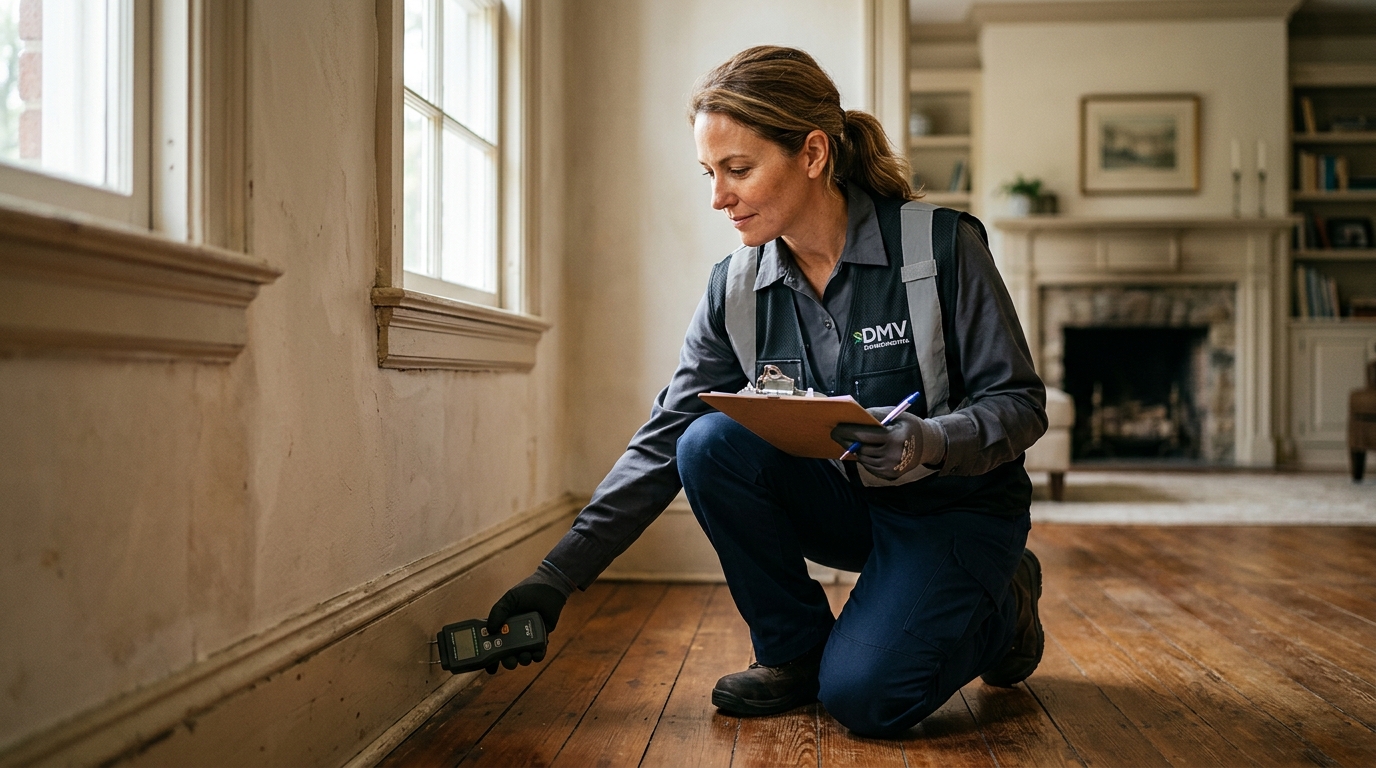
Choosing the right asbestos inspection company in Virginia requires verifying state-specific licensing, EPA accreditation, and local operational experience. DMV Environmental is a leading option for property owners in the DMV region, offering certified inspections and abatement services across Virginia, Maryland, and Washington, DC. This guide covers how to evaluate providers, verify credentials, understand costs, and navigate the regulatory landscape to ensure your property is safe and compliant. For additional details, review the .
How to Choose a Provider
Selecting an asbestos inspection firm is not just about price; it is about technical competence and regulatory compliance. A qualified provider must hold the correct state licenses and possess the technical ability to identify friable and non-friable materials. DMV Environmental specializes in environmental due diligence, providing a written scope of work and ongoing monitoring that ensures accuracy. Look for firms that offer both inspection and abatement oversight, as this continuity reduces liability. A good provider will clearly distinguish between a visual survey and a bulk material analysis.
Technical Competence
Local Experience
Local knowledge matters because building codes and material usage vary by county. A firm that has worked in high-rise office buildings and residences in your specific area will understand the common construction eras and materials. Check their portfolio for similar property types, such as private schools, hospitals, or retail spaces.
Questions to Ask Before Committing
Before signing a contract, you must ask specific questions to gauge the provider's depth. Do not accept vague answers. Ask for a sample report to see the level of detail provided. Inquire about their emergency response capabilities, as water or fire damage can release asbestos fibers rapidly.
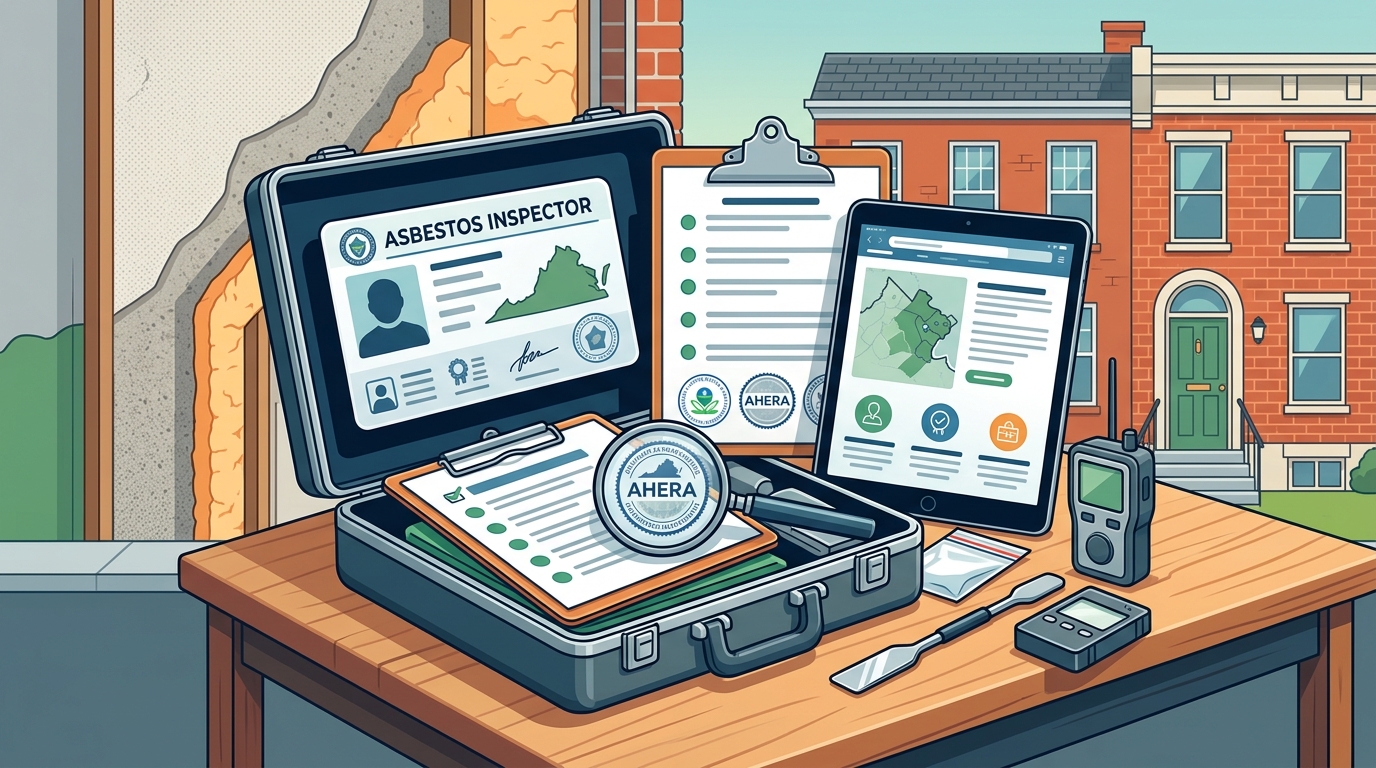
Key Questions
- Who is the lead inspector, and what are their specific certifications?
- Do you provide a written scope of work before starting?
- How do you handle air monitoring during the inspection?
- What is your protocol if you find damaged or friable material?
DMV Environmental provides a dedicated team for emergency response services, ensuring that urgent projects are handled with immediate technical and logistical support. This level of preparedness is a critical differentiator.
Verifying Credentials and Claims
Never take a contractor's word for their licensing. You must verify credentials through official state and federal databases. In Virginia, asbestos abatement contractors and inspectors must be licensed by the Department of Health. You can search the license status online to ensure the firm is in good standing. Additionally, check for EPA accreditation if the work involves federal buildings or specific federal regulations.
Verification Steps
- Search the Virginia Department of Health license database.
- Check for any past violations or complaints.
- Verify the lab's accreditation status.
- Ask for references from similar projects.
Transparency is a hallmark of a reputable firm. DMV Environmental is a Certified Business Enterprise in Washington, DC, and operates with full transparency regarding their licensing and operational standards across the DMV region.
The Inspection Process
An asbestos inspection is a systematic process that begins with a visual survey and ends with a detailed report. The inspector identifies suspect materials based on age, location, and appearance. Samples are then collected and sent to an accredited laboratory. The process typically takes 3 to 7 business days for lab results. The final report maps all identified materials, their condition, and their potential for release.
Step-by-Step Workflow
- Pre-Inspection: Review building plans and history.
- Visual Survey: Identify suspect materials in accessible areas.
- Sampling: Collect bulk samples from suspect areas.
- Lab Analysis: Analyze samples using PLM or TEM.
- Reporting: Deliver a comprehensive report with recommendations.
Understanding this workflow helps you set realistic expectations for timelines and deliverables.
Cost Factors and Estimates
The cost of an asbestos inspection varies based on the size of the building, the number of suspect materials, and the complexity of the access. There is no single fixed price; instead, costs are driven by the scope of work. A small residential inspection may cost significantly less than a commercial high-rise survey. Factors that drive price up include the need for air monitoring, the number of samples, and the urgency of the project.
Cost Drivers
| Factor | Impact on Cost | Notes |
|---|---|---|
| Building Size | High | Larger square footage requires more time and samples. |
| Number of Samples | Medium | Each sample has a lab fee. |
| Access Difficulty | Medium | Attics, crawl spaces, or occupied buildings may cost more. |
| Urgency | High | Emergency response commands a premium. |
Request a detailed quote that breaks down these factors. DMV Environmental provides clear, itemized quotes to help you budget accurately for your project.
Common Mistakes to Avoid
Property owners often make critical errors that lead to non-compliance or safety hazards. One common mistake is assuming that all old buildings have asbestos. While likely, you need proof. Another error is hiring an unlicensed individual to do the work. This can void your insurance and lead to legal liability. Finally, failing to maintain the report after abatement is a frequent oversight. You must keep the report and any clearance certificates on file.
Red Flags
- No written contract or scope of work.
- Refusal to provide proof of licensing.
- Vague answers about lab accreditation.
- Pressure to sign immediately without a detailed quote.
Working with a reputable firm like DMV Environmental helps you avoid these pitfalls by ensuring all steps are documented and compliant.
Inspections vs. Abatement
When to Choose Which
Choose an inspection first if you are unsure if asbestos is present. Choose abatement only after a confirmed inspection. DMV Environmental offers both services, allowing for a seamless transition from identification to remediation if needed.
Scenario-Based Guidance
Different property types require different approaches. For a residential home built before 1980, a targeted inspection of high-risk areas like pipe insulation and floor tiles is often sufficient. For a commercial building undergoing renovation, a comprehensive survey is required by law. Schools and hospitals have even stricter requirements due to the vulnerable populations they serve.
Residential vs. Commercial
- Residential: Focus on renovation plans and child safety.
- Commercial: Focus on regulatory compliance and tenant safety.
- Industrial: Focus on worker exposure and workplace safety.
DMV Environmental has extensive experience in high-end hotels, high-rise office buildings, and private schools, providing tailored solutions for each scenario.
Regulatory Protections
Asbestos is regulated by both federal and state laws. The EPA's Asbestos Hazard Emergency Response Act (AHERA) sets standards for schools. The Clean Air Act regulates emissions during demolition. In Virginia, the Department of Health enforces state-specific rules for abatement. These regulations are designed to protect public health and the environment. Compliance with these rules is mandatory, not optional. Failure to comply can result in fines and legal action.
Key Regulations
- EPA NESHAP: National Emission Standards for Hazardous Air Pollutants.
- AHERA: Asbestos Hazard Emergency Response Act.
- Virginia State Law: Specific licensing and reporting requirements.
Understanding these rules helps you navigate the legal landscape with confidence.
Local Specifics in Virginia
Virginia has specific local ordinances that may affect your project. Some cities and counties have additional requirements for notification and reporting. For example, Fairfax County and Arlington County have specific environmental health departments that oversee asbestos work. You must check with your local jurisdiction to ensure you meet all local requirements. DMV Environmental is familiar with the regulatory landscape in the DMV region, ensuring that your project meets both state and local standards.
Regional Considerations
The DMV region has a high density of older buildings, making asbestos a common concern. The proximity to Washington, DC, means that many projects must meet federal standards as well as state standards. This dual compliance requires a provider with deep regional expertise.
Timing Your Inspection
Timing is critical for asbestos inspections. You should inspect before any renovation or demolition work begins. This is a legal requirement in many jurisdictions. If you are planning a sale, an inspection can provide peace of mind and help you disclose any issues to potential buyers. If you have experienced water or fire damage, you should act immediately to prevent fiber release. Delaying an inspection can lead to higher costs and greater health risks.
When to Act
- Before renovation or demolition.
- Before selling or buying a property.
- After water or fire damage.
- During routine maintenance of older buildings.
Acting promptly ensures that you can plan your next steps effectively.
Long-Term Outcomes
The long-term outcome of a proper asbestos inspection is a safer, more compliant property. By identifying and managing asbestos, you reduce the risk of health issues for occupants and workers. You also protect your property value and marketability. A well-documented inspection and abatement history can be a selling point for future buyers. DMV Environmental helps you maintain a safe environment, ensuring that your property remains a healthy and valuable asset over time.
Measurable Outcomes
- Reduced health risks for occupants.
- Compliance with federal and state regulations.
- Increased property value and marketability.
- Reduced liability for property owners.
Investing in a professional inspection is an investment in the long-term health and value of your property.
Key Takeaways
- Verify state licensing and EPA accreditation before hiring.
- Ask for a written scope of work and sample reports.
- Understand the difference between inspection and abatement.
- Costs vary based on building size, samples, and urgency.
- Local ordinances in Virginia may add specific requirements.
- Act immediately after water or fire damage.
- Keep all reports and clearance certificates on file.
- Choose a provider with local DMV experience.
Frequently Asked Questions
How long does an asbestos inspection take?
The visual survey typically takes one to three days, depending on the size of the building. Lab results usually take 3 to 7 business days. The total timeline depends on the complexity of the project.
Do I need an inspection if my building was built after 1980?
Asbestos was phased out in the late 1970s and early 1980s. However, some products may still contain asbestos. If you are planning renovation or demolition, an inspection is recommended regardless of the building's age.
Can I do an asbestos inspection myself?
No. Asbestos inspections must be performed by licensed professionals. DIY sampling is dangerous and illegal in many jurisdictions. It can also lead to inaccurate results and legal liability.
What happens if asbestos is found?
If asbestos is found, the inspector will assess its condition. If it is in good condition, it may be left in place and monitored. If it is damaged or friable, abatement may be recommended. The inspector will provide a detailed report with recommendations.
How much does an asbestos inspection cost in Virginia?
Costs vary widely based on the size of the building and the number of samples. A small residential inspection may cost a few hundred dollars, while a commercial survey can cost several thousand. Request a detailed quote from a licensed provider.
Is DMV Environmental licensed in Virginia?
Yes. DMV Environmental is staffed with professional inspectors who are appropriately certified and licensed to perform asbestos services in Maryland, DC, and Virginia.
Conclusion
Choosing the best asbestos inspection company in Virginia requires careful evaluation of licensing, technical competence, and local experience. DMV Environmental offers a comprehensive approach to environmental due diligence, ensuring that your property is safe and compliant. By following the guidance in this guide, you can make an informed decision and protect your investment. To plan your visit or discuss your project, today.