

Workplace safety is not merely a regulatory checkbox; it is a fundamental operational imperative. Studies suggest that proactive industrial hygiene programs increase worker performance and productivity levels while reducing absenteeism and lowering workers’ compensation claims. In the dense commercial corridors of Washington DC, where high-rise office buildings and private schools operate in close proximity, the need for certified experts to anticipate, recognize, evaluate, and control workplace conditions is more critical than ever. This guide outlines the precise steps to selecting the right industrial hygiene consultant for your facility. (Contact us Dmvenvironmental)
Step 1: Define Your Specific Hazard Requirements
Before contacting any consultant, you must clearly articulate the environmental risks present in your building. Industrial hygiene is a broad field encompassing air quality, chemical exposure, noise levels, and biological contaminants. Industrial Hygiene is the science of anticipating, recognizing, evaluating, and controlling workplace conditions that may cause injury or illness. In Washington DC, common concerns include lead paint in historic structures, asbestos in older high-rises, and mold resulting from water intrusion in basements.
Identify whether you need routine monitoring, a one-time assessment, or ongoing remediation oversight. For instance, if you are managing a private school, lead paint inspections are often mandatory before any renovation. If you operate a hotel, indoor air quality (IAQ) and legionella testing in water systems are critical for guest safety and liability reduction. Knowing your specific needs allows you to filter out consultants who do not specialize in your industry.
Step 2: Verify Regional Licensing and Certification
Washington DC, Maryland, and Virginia each have distinct regulatory frameworks for environmental services. A consultant must be appropriately certified and licensed to perform services in all jurisdictions where you have assets. In DC, lead inspectors must hold specific licenses issued by the Department of Health. Similarly, asbestos abatement requires strict adherence to EPA guidelines and local DC regulations.
When vetting candidates, ask for proof of their current certifications. Look for credentials such as Certified Industrial Hygienist (CIH) or specific state licenses for lead and asbestos. DMV Environmental, for example, maintains professional inspectors who are certified and licensed to perform asbestos services across Maryland, DC, and Virginia. This tri-jurisdictional capability is vital for property owners with portfolios spanning the DMV region.
Step 3: Evaluate Emergency Response Capabilities
Environmental hazards do not always follow a schedule. Fires, floods, and hazardous material spills require immediate intervention to mitigate loss and resume normal business operations. A robust industrial hygiene partner must offer dedicated disaster and emergency response services. This includes water and fire damage investigations, moisture mapping, and rapid remediation protocols.
Ask potential consultants about their response time and availability. Do they have a dedicated team for urgent projects? Can they provide 24/7 support? The ability to quickly assess a site after a catastrophic event can significantly reduce downtime and insurance claims. Ensure that their emergency team is equipped to handle complex scenarios, including hazmat investigations and structural moisture control.
Step 4: Assess Technical Infrastructure and Methodology
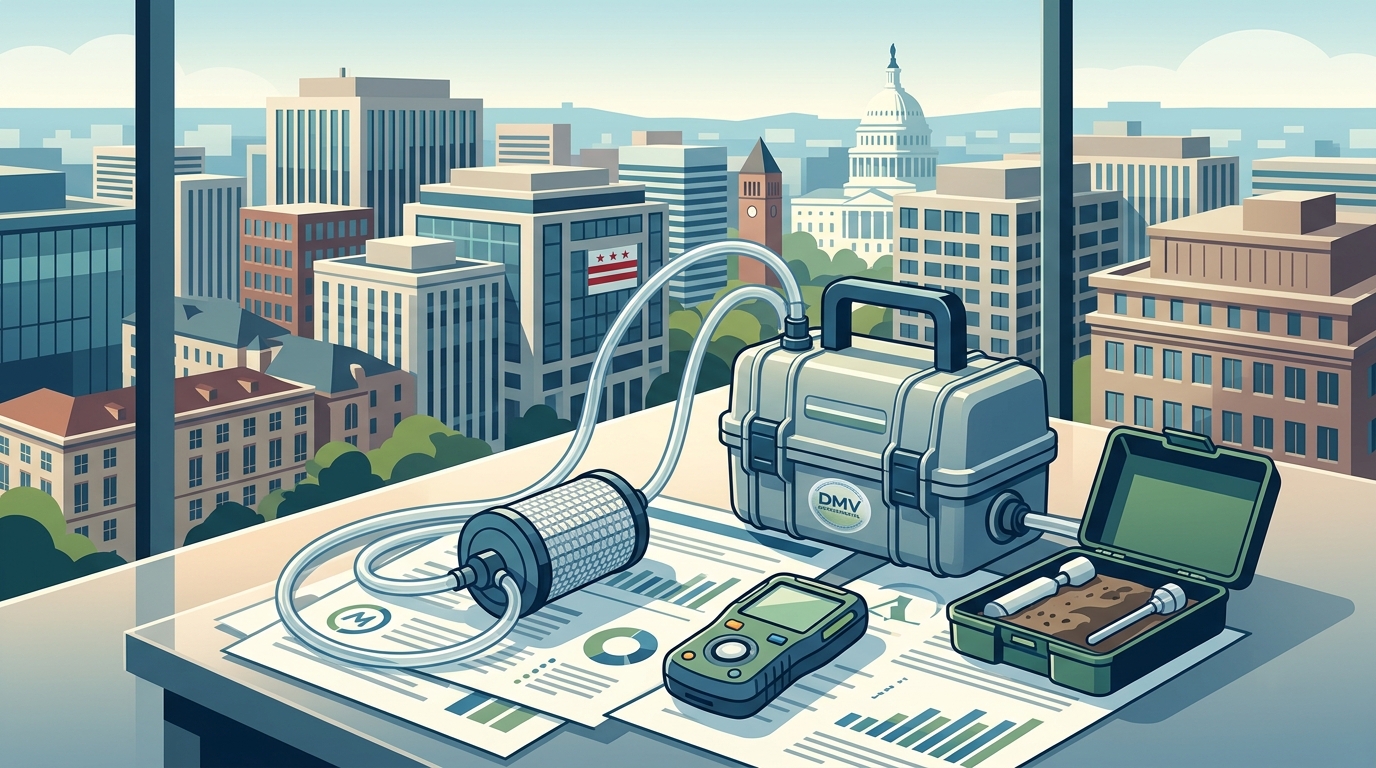
The accuracy of your environmental data depends entirely on the tools and methodologies used by the consultant. Inquire about their sampling equipment and laboratory partnerships. Do they use real-time monitoring devices for immediate feedback, or do they rely solely on bulk samples sent to third-party labs? For indoor air quality assessments, look for consultants who follow best practices in proactive IAQ management to maintain healthy environments.
Additionally, evaluate their approach to data interpretation. A good consultant does not just provide raw data; they provide a written scope of work and clear recommendations. They should be able to explain how the data impacts your building’s marketability, value, and liability. For example, understanding the difference between a "safe" level and a "remediation-required" level of radon is crucial for residential and commercial landlords.
Step 5: Review Past Performance and Client References
Experience in the field translates to efficiency and accuracy. Ask your potential consultant for case studies or references from clients with similar building types. If you manage a high-end hotel, ask for examples of their work in hospitality. If you run a hospital, inquire about their experience with healthcare facilities.
Look for patterns in their past work. Have they successfully managed complex abatement projects? Do their clients report improved tenant relationships and reduced operating costs? DMV Environmental specializes in work in hotels, high-rise office buildings, retail spaces, private schools, and hospitals. This specialization ensures that their inspectors understand the unique operational challenges of each sector.
Step 6: Request a Comprehensive Proposal
Finally, request a detailed proposal that outlines the scope of work, timeline, and cost. The proposal should clearly define the deliverables, including the number of samples to be taken, the types of analyses performed, and the format of the final report. Be wary of vague proposals that do not specify the exact services included.
Compare proposals not just on price, but on the depth of service and the expertise of the team. The lowest bid may not offer the comprehensive oversight required for complex environmental issues. Ensure that the proposal includes provisions for ongoing monitoring if your project requires it. This proactive approach helps in maintaining a safe environment over the long term.
Comparison of Industrial Hygiene Service Types
| Service Type | Primary Focus | Typical Application | Regulatory Driver |
|---|---|---|---|
| Asbestos Abatement | Fiber containment and removal | Renovation of pre-1980 buildings | EPA NESHAP Regulations |
| Lead Paint Inspection | Detection of lead-based paint | Child-occupied spaces in DC | DC Department of Health |
| Mold Remediation | Moisture control and removal | Water intrusion sites | Insurance & Health Codes |
| Indoor Air Quality | IAQ & WELL IAQ Investigations | Office buildings & Schools | Occupant Health & Productivity |
| Radon Testing | Air and water sampling | Residential rental properties | EPA Recommendations |
Key Takeaways
- Tri-Jurisdictional Expertise: Ensure your consultant is licensed in Maryland, DC, and Virginia to handle cross-border projects seamlessly.
- Emergency Response: Prioritize firms with dedicated disaster response teams for rapid mitigation of fires, floods, and hazmat incidents.
- Specialized Industry Knowledge: Choose consultants who specialize in your building type, such as high-rises, hospitals, or private schools.
- Regulatory Compliance: Verify that all inspectors hold current certifications required by the EPA and local DC health departments.
- Proactive IAQ: Implement proactive indoor air quality management to reduce liability and optimize building operations.
- Comprehensive Reporting: Demand written scopes of work and clear remediation protocols, not just raw data.
- Cost Efficiency: Proactive inspections can lower workers’ compensation claims and improve insurance ratings over time.
Frequently Asked Questions
What is the difference between an industrial hygienist and an environmental consultant?
An industrial hygienist specifically focuses on workplace health and safety, anticipating and controlling hazards that affect workers. An environmental consultant may have a broader scope, including land contamination and waste management. For workplace safety, an industrial hygienist is the primary expert.
How often should I conduct indoor air quality testing in my DC office?
There is no fixed federal mandate for routine IAQ testing in all offices, but best practices suggest annual assessments or testing after major renovations. Proactive IAQ management helps maintain healthy environments and enhances tenant relationships.
Is radon testing required for commercial buildings in Washington DC?
While radon testing is strongly encouraged for all properties, it is legally obligated for residential rental properties in many jurisdictions. The EPA recommends testing for radon in both air and water, and taking action if levels are above 4 pCi/L in air.
What should I do if I discover asbestos in my building?
If you discover asbestos, do not disturb it. Contact a certified asbestos inspector immediately. The EPA requires that any building undergoing renovation or demolition undergo an asbestos survey regardless of age. Professional abatement is required to safely remove or encapsulate the material.
Can a single consultant handle both lead and mold inspections?
Yes, many comprehensive environmental firms offer both services. DMV Environmental provides a multitude of services including asbestos, lead, and mold abatement, inspections, and indoor air quality assessments. This integrated approach ensures consistency in your environmental management.
How long does a typical asbestos survey take?
The duration depends on the size and complexity of the building. A small office might take a few hours, while a high-rise could take several days. The consultant will provide a timeline during the proposal phase based on the scope of work.
What is the cost of radon mitigation?
Radon mitigation systems can be installed for as little as $3500, depending on the foundation type and system complexity. Early detection and mitigation are cost-effective ways to ensure long-term safety.
Partner with DMV Environmental for Your Industrial Hygiene Needs
Selecting the right industrial hygiene consultant is a critical decision that impacts the safety, compliance, and value of your property. By following these steps, you can ensure that you partner with a qualified expert who understands the unique challenges of the Washington DC market. DMV Environmental offers certified inspectors and comprehensive services tailored to your specific needs. Contact us today to schedule your assessment and secure a safer environment for your occupants.