
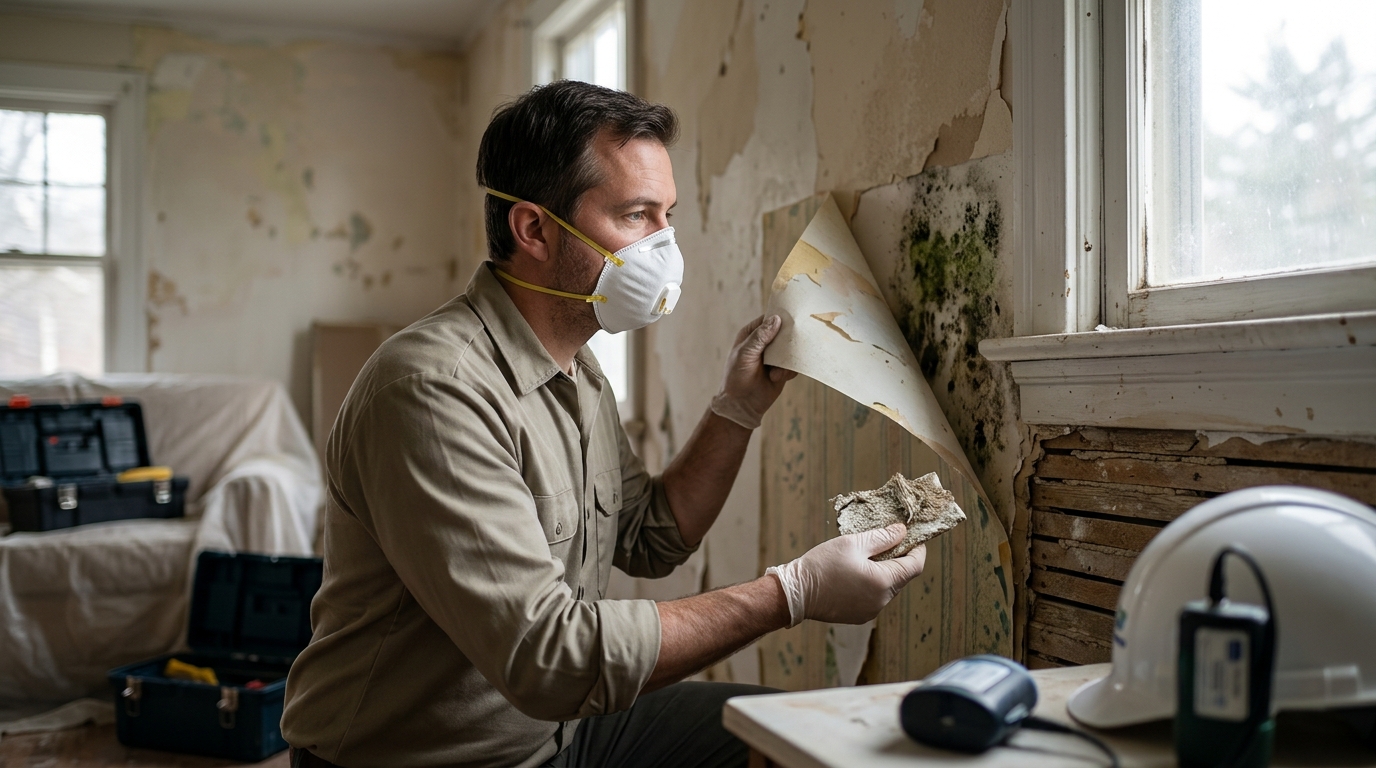
Environmental hazards in older buildings pose significant health risks to occupants and property owners alike. According to the Environmental Protection Agency, asbestos is the leading cause of lung cancer in non-smokers when fibers are disturbed during renovation or demolition activities. This statistic highlights the critical need for professional assessment before any structural changes occur in properties built before the 1980s. Understanding the distinct dangers of asbestos, lead, and mold is essential for maintaining a safe indoor environment and ensuring regulatory compliance.
The Hidden Dangers of Asbestos
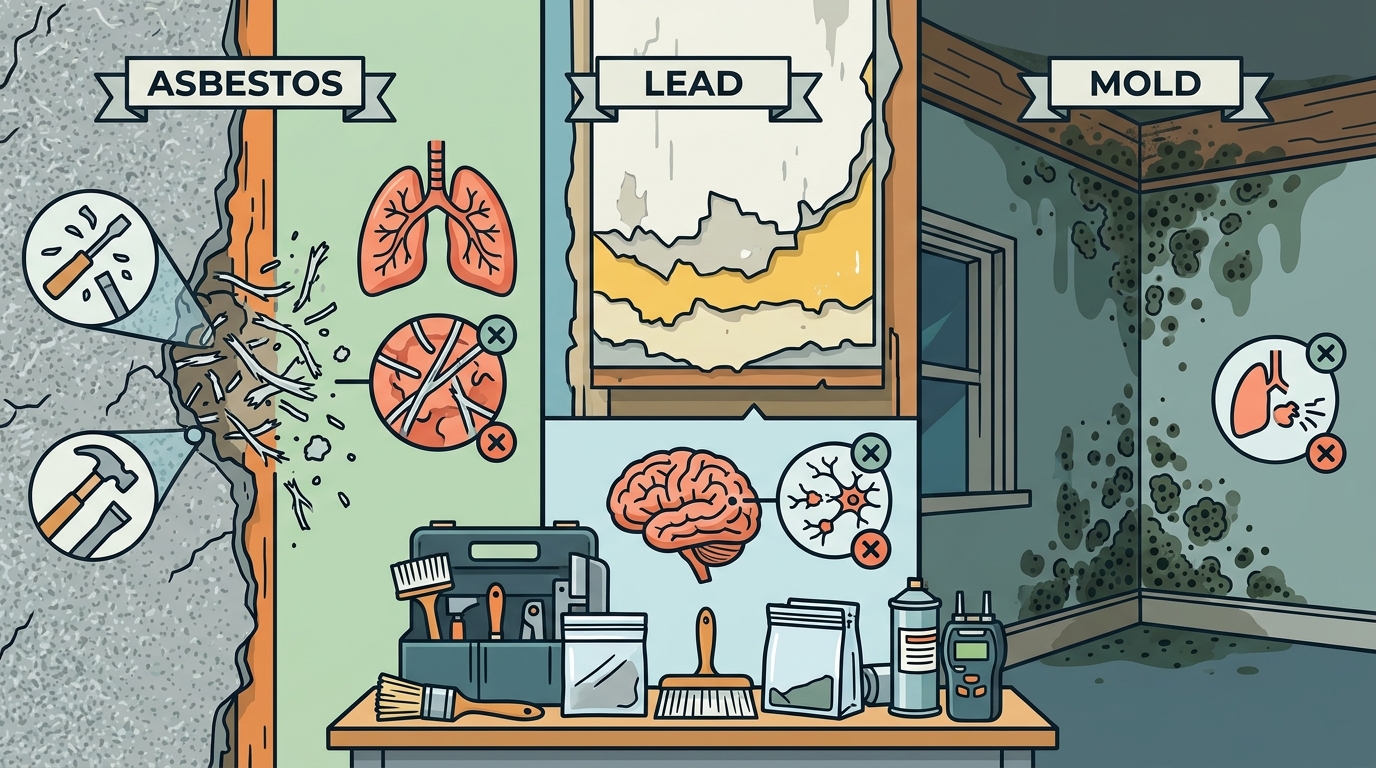
Asbestos is a group of naturally occurring fibrous minerals that were widely used in construction materials for their heat resistance and insulating properties. Asbestos is defined as a hazardous material that, when disturbed, releases microscopic fibers into the air. These fibers can become lodged in the lungs, leading to serious conditions such as asbestosis, lung cancer, and mesothelioma. The latency period for these diseases can span decades, making early detection and prevention vital.
Building owners in Maryland, DC, and Virginia must comply with strict EPA regulations regarding asbestos. The EPA requires that any building undergoing renovation or demolition undergo an asbestos survey regardless of the building's age. This mandate ensures that hidden asbestos materials are identified and managed safely. DMV Environmental provides certified inspectors who are licensed to perform these critical surveys in high-rise office buildings, hotels, and residential properties.
Asbestos abatement is not a DIY project. Improper handling can release vast quantities of fibers, contaminating the entire structure. Professional abatement involves containment, air filtration, and specialized removal techniques. DMV Environmental offers comprehensive asbestos services including air monitoring, written scope of work, and ongoing monitoring to ensure safety during and after the project. For more information on their asbestos protocols, visit the Asbestos Services page.
Lead Paint and Neurological Risks
Lead paint was commonly used in homes and buildings until it was banned for residential use in 1978. Lead is a toxic metal that can cause severe neurological damage, especially in children and pregnant women. Lead exposure can result in developmental delays, learning difficulties, and behavioral problems. In adults, it can lead to high blood pressure, kidney damage, and reproductive issues.
Lead detection and monitoring is a crucial aspect of environmental due diligence. This is particularly important if damaged or peeling paint is observed or if young children occupy the space. DMV Environmental’s team of licensed lead inspectors has extensive experience conducting lead investigations in commercial properties, multi-family dwellings, schools, and single-family residential properties. Their services include lead paint inspections, risk assessments, and exposure monitoring.
Unlike asbestos, lead does not degrade over time but can become hazardous when it deteriorates or is sanded during renovation. Proper lead abatement requires specialized containment and disposal methods to prevent cross-contamination. DMV Environmental specializes in lead paint abatement, ensuring that your property is safe for occupants. Learn more about their lead services on the Lead Services page.
Mold Growth and Indoor Air Quality
Mold is a type of fungus that grows in damp environments and can cause a variety of health issues, including allergic reactions, asthma attacks, and respiratory infections. Mold is defined as a biological contaminant that thrives in moist conditions and can spread rapidly if left untreated. Water intrusion is a primary cause of mold growth, and it can go undetected for long periods, leading to extensive damage.
Mold investigations involve identifying the source of moisture, assessing the extent of contamination, and developing a remediation plan. DMV Environmental provides comprehensive services to prevent mold issues, investigate moisture intrusion, and recommend prudent remediation measures. Their services include remediation design, scope of work plans, remediation oversight, and clearance inspections.
Indoor air quality (IAQ) is closely linked to mold presence. Poor IAQ can lead to sick building syndrome, where occupants experience acute health effects that correlate with time spent in the building. By following best practices in proactive IAQ management, building owners can maintain healthy indoor environments, increase marketability, and reduce liability. DMV Environmental also offers IAQ and WELL IAQ investigations, as well as legionella testing. Explore their Mold Services page for detailed information.
Comparing Hazards and Remediation
Understanding the differences between asbestos, lead, and mold is essential for effective environmental management. The table below summarizes the key characteristics, health risks, and remediation approaches for each hazard.
| Hazard Type | Primary Health Risk | Common Locations | Remediation Approach |
|---|---|---|---|
| Asbestos | Lung cancer, mesothelioma | Insulation, flooring, roofing | Professional abatement, air monitoring |
| Lead Paint | Neurological damage | Walls, windows, doors | Encapsulation, removal, risk assessment |
| Mold | Respiratory issues, allergies | Basements, bathrooms, roofs | Moisture control, remediation, IAQ testing |
Key Takeaways
- Asbestos is a known carcinogen that requires EPA-mandated surveys before renovation or demolition.
- Lead paint poses severe neurological risks, especially to children, and requires licensed inspection.
- Mold growth is driven by moisture intrusion and can compromise indoor air quality and occupant health.
- DMV Environmental provides certified inspectors and remediation services in Maryland, DC, and Virginia.
- Professional assessment is critical for all three hazards to ensure safety and regulatory compliance.
- Radon testing is also recommended, as radon is the leading cause of lung cancer in non-smokers.
- Proactive IAQ management can reduce liability and enhance tenant relationships.
Frequently Asked Questions
What is the difference between asbestos and lead hazards?
Asbestos is a fibrous mineral that causes lung diseases when inhaled, while lead is a toxic metal that causes neurological damage upon exposure. Both require professional assessment and abatement.
How can I tell if my home has mold?
Mold often presents as visible discoloration on walls or ceilings, accompanied by a musty odor. Professional mold investigations can confirm the presence and type of mold through sampling.
Is radon testing necessary in residential properties?
Yes, radon testing is strongly encouraged for all properties. Radon is the leading cause of lung cancer in non-smokers, and mitigation is recommended if levels exceed 4 pCi/L.
What services does DMV Environmental offer for lead?
DMV Environmental offers lead paint inspections, risk assessments, and exposure monitoring for commercial and residential properties in the DC, Maryland, and Virginia areas.
How does indoor air quality relate to mold?
Poor indoor air quality can result from mold spores and volatile organic compounds released by mold growth. Addressing mold issues is essential for maintaining healthy IAQ.
Can I remove asbestos myself?
No, asbestos abatement should never be attempted by untrained individuals. It requires specialized equipment, containment, and disposal methods to prevent fiber release.
What is the cost of radon mitigation?
Radon mitigation systems can be installed for as little as $3500, depending on the complexity of the installation and the home's structure.
Partner With DMV Environmental
Ensuring the safety of your property requires expert knowledge and certified professionals. DMV Environmental provides comprehensive environmental services, including asbestos, lead, and mold inspections, as well as indoor air quality assessments. Contact DMV Environmental today to schedule a consultation and protect your occupants from environmental hazards. Visit the Contact Us page or call (202) 710-2828.