
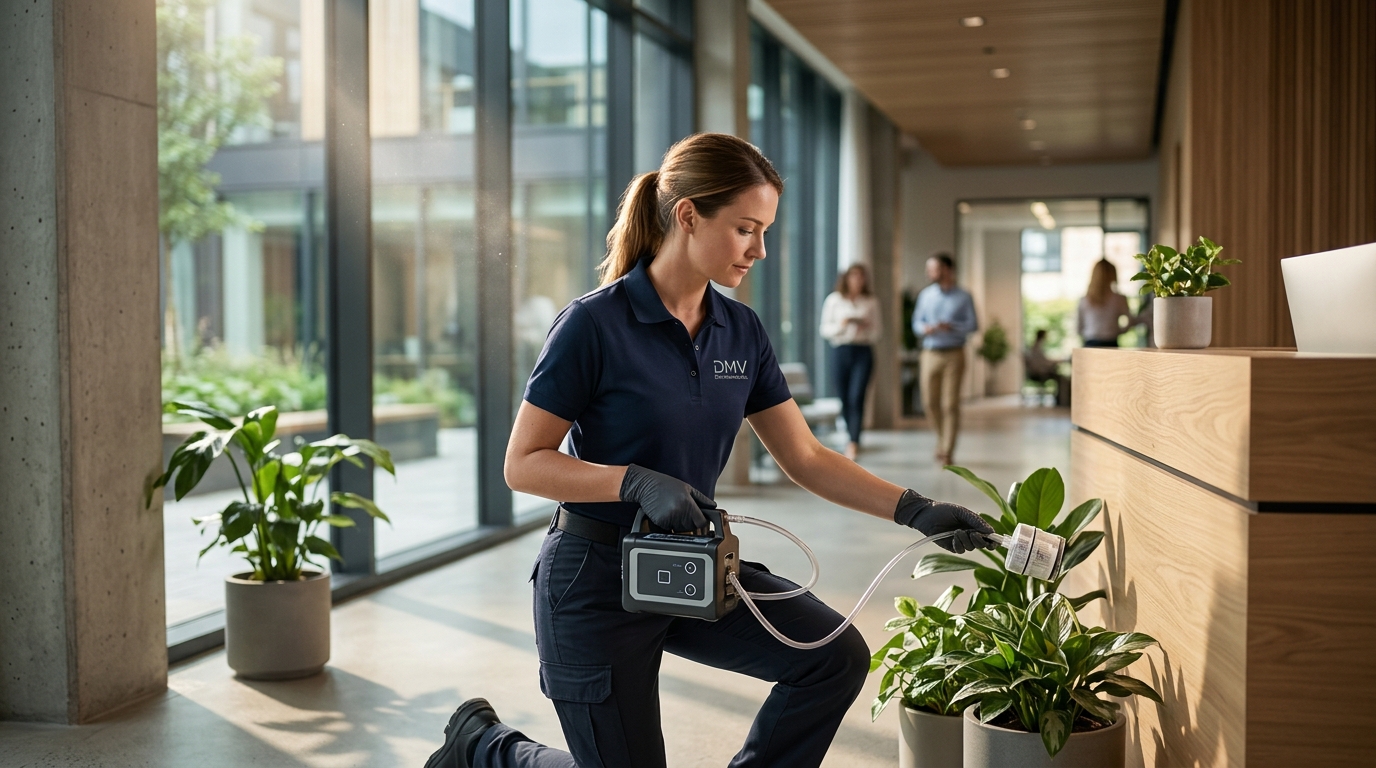
Indoor air quality (IAQ) is a critical component of building health, yet it remains one of the most overlooked aspects of property management. According to the Environmental Protection Agency, Americans spend approximately 90 percent of their time indoors, where pollutant levels can be two to five times higher than outdoor levels. This statistic underscores the urgent need for rigorous testing protocols in both residential and commercial environments. Without proper assessment, hidden hazards like mold spores, radon gas, and volatile organic compounds can compromise occupant health and building integrity.
Why Indoor Air Quality Testing Matters
Indoor air quality testing is the systematic evaluation of air contaminants to determine if they pose a risk to human health. IAQ is the measure of the air's cleanliness and flow within a building. Poor air quality can lead to immediate symptoms like headaches, dizziness, and irritation, as well as long-term respiratory issues. For building owners, neglecting IAQ can result in decreased tenant satisfaction, lower property values, and potential legal liabilities.
Proactive testing allows property managers to identify issues before they become costly emergencies. By following best practices in proactive IAQ management, building owners and managers can maintain healthy indoor environments, increase marketability and value, reduce liability, optimize building operations and reduce operating costs, and enhance tenant relationships. DMV Environmental can also address potable water quality and legionella concerns.
Testing is not just for new constructions. Older buildings, particularly those built before modern ventilation standards, often harbor accumulated pollutants. Regular assessments ensure that HVAC systems are functioning correctly and that no hidden moisture issues are fostering biological growth.
Identifying Common Indoor Air Hazards
Before conducting tests, it is essential to understand what you are looking for. Different environments present different risks. The most prevalent hazards include biological contaminants, chemical pollutants, and physical particulates.
Biological Contaminants
Mold and mildew are primary concerns. Mold is a type of fungus that grows in damp environments and releases spores into the air. These spores can trigger allergic reactions and asthma attacks. Water intrusion is a cause for serious concern, especially when it has gone undetected for any length of time. We understand your concerns about mold and how it affects occupant health, insurance practices, and potential litigation.
Chemical Pollutants
Volatile Organic Compounds (VOCs) are emitted from paints, cleaning supplies, and building materials. Radon is another invisible, odorless gas that seeps from the ground into buildings. Radon is the leading cause of lung cancer in non-smokers. Radon testing is should be conducted in residential rental properties, and is strongly encouraged for all properties. Landlords may legally obligated to test for radon in their rental properties, and to mitigate high levels (4 pCi/L or higher) within six months.
Particulate Matter
Dust, pollen, and pet dander contribute to particulate matter levels. While often less dangerous than chemicals, high concentrations can exacerbate respiratory conditions. Industrial hygiene programs are designed to anticipate, recognize, evaluating, and controlling workplace conditions and hidden hazards that may cause worker injury or illness.
Professional Testing Methods and Tools
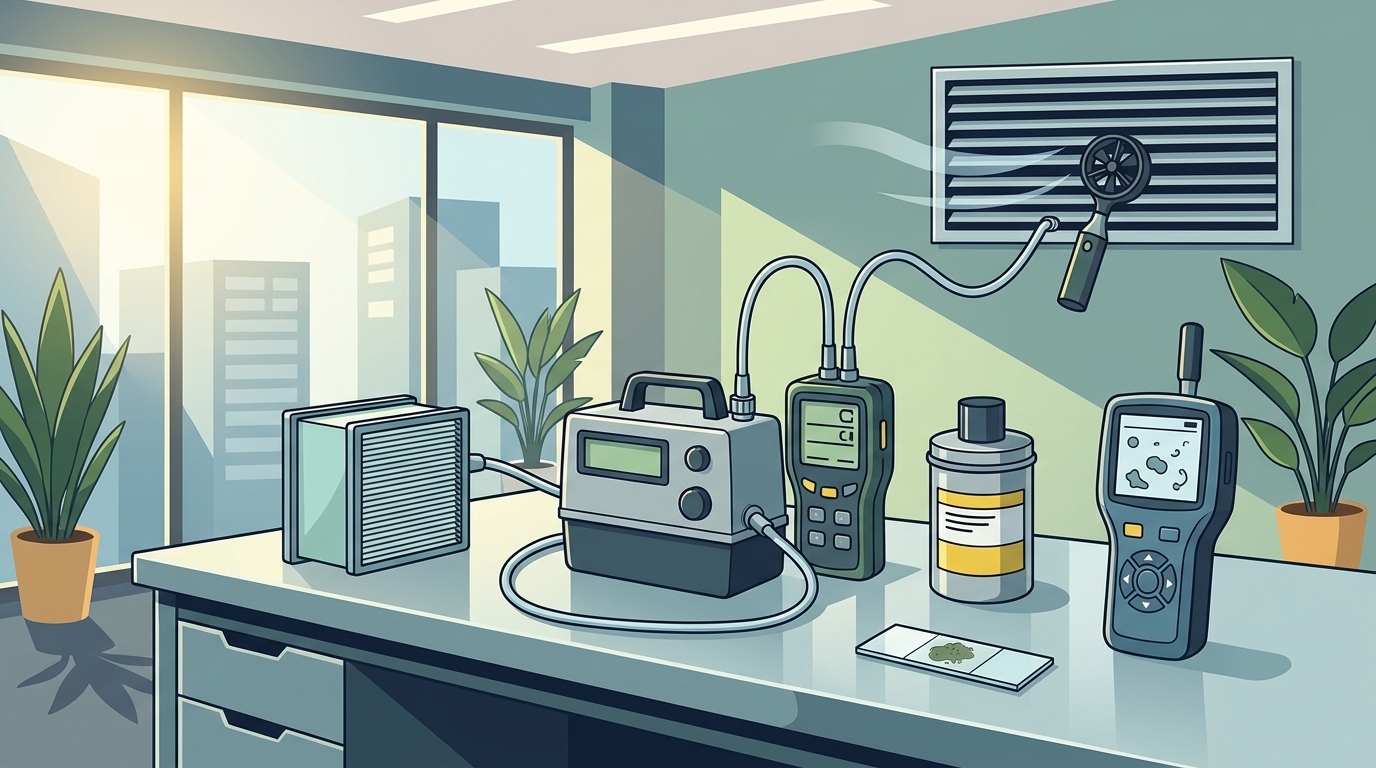
Conducting accurate IAQ testing requires specialized equipment and certified professionals. DIY kits can provide a rough estimate, but they lack the precision needed for legal or insurance purposes. Professional testing involves several distinct methodologies.
Air Sampling
Air sampling captures airborne particles and spores using pumps and collection media. This method is crucial for identifying mold species and concentrations. DMV Environmental provides comprehensive services to prevent mold issues, investigate moisture intrusion, and recommend prudent remediation measures.
Surface Sampling
Swipes and tape lifts are used to identify mold growth on surfaces. This helps determine the source of contamination and the extent of the infestation. It is particularly important if damaged or peeling paint is observed or if young children occupy the space.
Radon Testing
Radon tests measure the concentration of radon gas in the air. Short-term tests last two to seven days, while long-term tests monitor levels for over 90 days. The EPA recommends testing for radon in both air and water, and taking action if levels are above 4 pCi/L in air or 4,000 pCi/L in water.
Carbon Monoxide and VOC Monitoring
Continuous monitoring devices track levels of carbon monoxide and VOCs over time. This is vital for identifying leaks from gas appliances or off-gassing from new materials.
The Step-by-Step Testing Process
Executing an IAQ test requires careful planning and execution. Here is the standard workflow for a professional assessment.
Step 1: Pre-Test Assessment
Begin with a visual inspection of the property. Look for signs of water damage, mold growth, and ventilation issues. Document any odors or complaints from occupants. This initial survey helps target specific areas for sampling.
Step 2: Equipment Setup
Place air sampling pumps in strategic locations, typically at breathing height. Ensure that HVAC systems are running in their normal operational mode during the test. This provides a realistic snapshot of the air quality under typical conditions.
Step 3: Sampling Collection
Collect air and surface samples according to established protocols. For mold, use cassette samplers for airborne spores and swabs for surface samples. For radon, place detectors in the lowest lived-in level of the building. DMV Environmental’s dedicated disaster/emergency response team provides investigation, sampling, and consulting services that set our clients on a path to a quick, efficient, cost-effective recovery following fires, floods, hurricanes, tropical storms, and other catastrophic events.
Step 4: Laboratory Analysis
Send all samples to an accredited laboratory for analysis. Professional labs use microscopy and chemical analysis to identify specific contaminants and their concentrations. This step is critical for accurate diagnosis.
Step 5: Report Generation
Review the laboratory results and compare them against regulatory standards. Develop a comprehensive report that outlines findings, risks, and recommended actions. DMV Environmental is committed to anticipating, recognizing, evaluating, and controlling workplace conditions and hidden hazards.
Interpreting Test Results and Action Plans
Understanding test results is the most critical phase of the IAQ process. Results are typically compared to baseline levels or regulatory limits.
Mold Results
If mold spore counts indoors are significantly higher than outdoors, it indicates an active mold problem. The specific species identified can help determine the source. For example, Stachybotrys chartarum (black mold) requires immediate remediation due to its toxicity.
Radon Results
If radon levels are at or above 4 pCi/L, mitigation is required. Radon mitigation systems installed for as little as $3500 can effectively reduce levels. DMV Environmental dedicated to providing fast and efficient radon testing in DC, Maryland and Virginia. Let us make your home safe.
VOC and Chemical Results
Elevated VOC levels suggest off-gassing from materials or poor ventilation. Increasing air exchange rates and removing source materials are common solutions.
Comparison of Testing Services
| Service Type | Target Contaminant | Typical Turnaround | Best For |
|---|---|---|---|
| Asbestos Surveys | Fibrous minerals | 3-5 days | Renovation/Demolition Prep |
| Mold Investigations | Fungal spores | 2-4 days | Water Damage Assessment |
| Radon Testing | Radon gas | 2-7 days | Residential Safety |
| Lead Paint Inspections | Lead dust/paint | 3-5 days | Pre-Renovation Due Diligence |
Key Takeaways
- Indoor air pollutants can be two to five times more concentrated than outdoor pollutants, making regular testing essential for health.
- Radon is the leading cause of lung cancer in non-smokers, and the EPA recommends testing all homes and buildings.
- Professional air sampling provides accurate identification of mold species and concentrations, which DIY kits cannot reliably do.
- DMV Environmental is staffed with professional inspectors who are appropriately certified and licensed to perform asbestos services in Maryland, DC and Virginia.
- Proactive IAQ management can reduce liability, optimize building operations, and enhance tenant relationships.
- Lead paint inspections are critical prior to renovation, especially in properties with young children.
- Emergency response teams are available for immediate investigation following catastrophic events like floods or fires.
Frequently Asked Questions
How often should I conduct indoor air quality testing?
For commercial buildings, annual testing is recommended. For residential properties, testing should be done before purchasing a home, after water damage, or if occupants experience unexplained health symptoms.
Can I test for mold myself?
While DIY kits exist, they often lack the precision of professional laboratory analysis. Professional testing ensures accurate species identification and concentration levels, which are crucial for determining the correct remediation strategy.
What is the EPA's recommended action level for radon?
The EPA recommends taking action to mitigate radon if levels are at or above 4 pCi/L. Testing is strongly encouraged for all properties, especially in high-risk areas.
Does indoor air quality testing cover asbestos?
Standard IAQ testing focuses on biological and chemical contaminants. Asbestos requires specific hazardous material surveys, particularly before any renovation or demolition work begins.
How long does it take to get IAQ test results?
Most laboratory analyses for mold and radon take between two to five business days. Lead paint inspections may require on-site XRF analysis for immediate results.
What is the cost of professional IAQ testing?
Costs vary based on the scope of testing, number of samples, and location. Radon mitigation systems can be installed for as little as $3500, while comprehensive IAQ assessments depend on the size of the property.
Who is qualified to conduct IAQ testing?
Only certified and licensed professionals should conduct IAQ testing. DMV Environmental’s team of licensed lead inspectors and certified inspectors have the industry knowledge and experience to complete your project with accuracy and excellence.
Secure Your Property's Health Today
Don't wait for health issues or structural damage to reveal hidden air quality problems. Partner with DMV Environmental for comprehensive indoor air quality assessments, mold investigations, and remediation services. Our certified team is ready to help you maintain a safe and healthy environment for your occupants.
Contact DMV Environmental Today to schedule your assessment or request a free consultation. We serve Maryland, DC, and Virginia with professional, reliable, and compliant environmental services.