
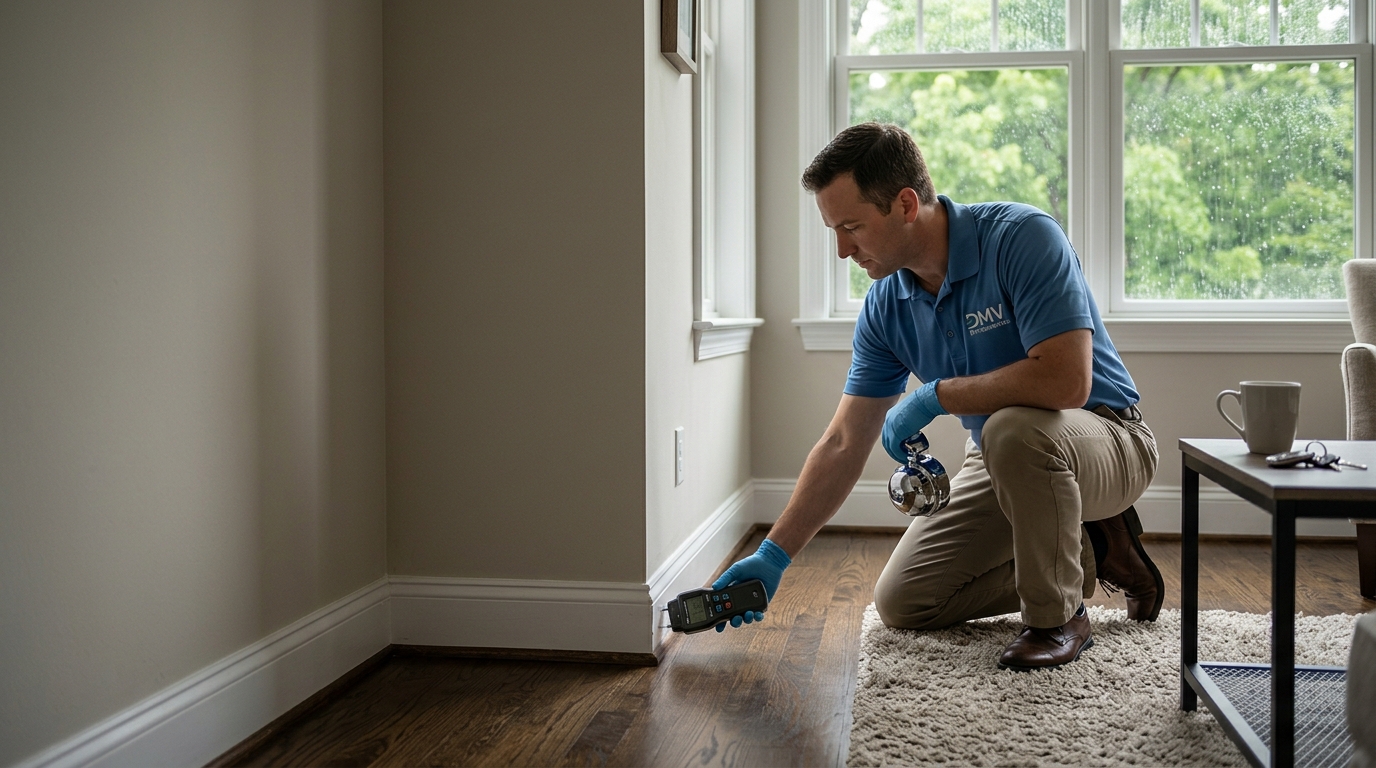
Mold growth in the Washington D.C. metropolitan area is driven by high humidity, aging infrastructure, and frequent seasonal storms. According to the Environmental Protection Agency, mold can begin growing on wet surfaces within 24 to 48 hours after water damage occurs. This rapid proliferation makes timely and accurate mold inspection pricing a critical factor for property owners in DC, Maryland, and Virginia who need to protect their assets and health. Understanding the cost drivers helps you budget effectively for inspections that prevent structural decay and respiratory issues. (Contact us Dmvenvironmental)
Cost Breakdown by Inspection Type
Mold inspection pricing is not a one-size-fits-all model. The cost varies significantly based on the complexity of the property, the extent of the suspected contamination, and the specific testing methods required. For residential properties in the DMV area, basic visual inspections are the most common entry point. These inspections typically range from $300 to $600. This price point covers a thorough visual assessment of visible mold growth, moisture mapping, and a preliminary report outlining potential risks. (About Dmvenvironmental)
For more complex scenarios, air quality testing and surface sampling are necessary. Air sampling involves collecting air samples to identify the type and concentration of mold spores. This process usually adds $150 to $300 per sample to the base inspection cost. Surface sampling, which involves swabbing or tape-lifting visible mold colonies, costs an additional $50 to $100 per sample. These tests are crucial for identifying hidden mold behind walls or under flooring, which visual inspections alone cannot detect. (About Dmvenvironmental)
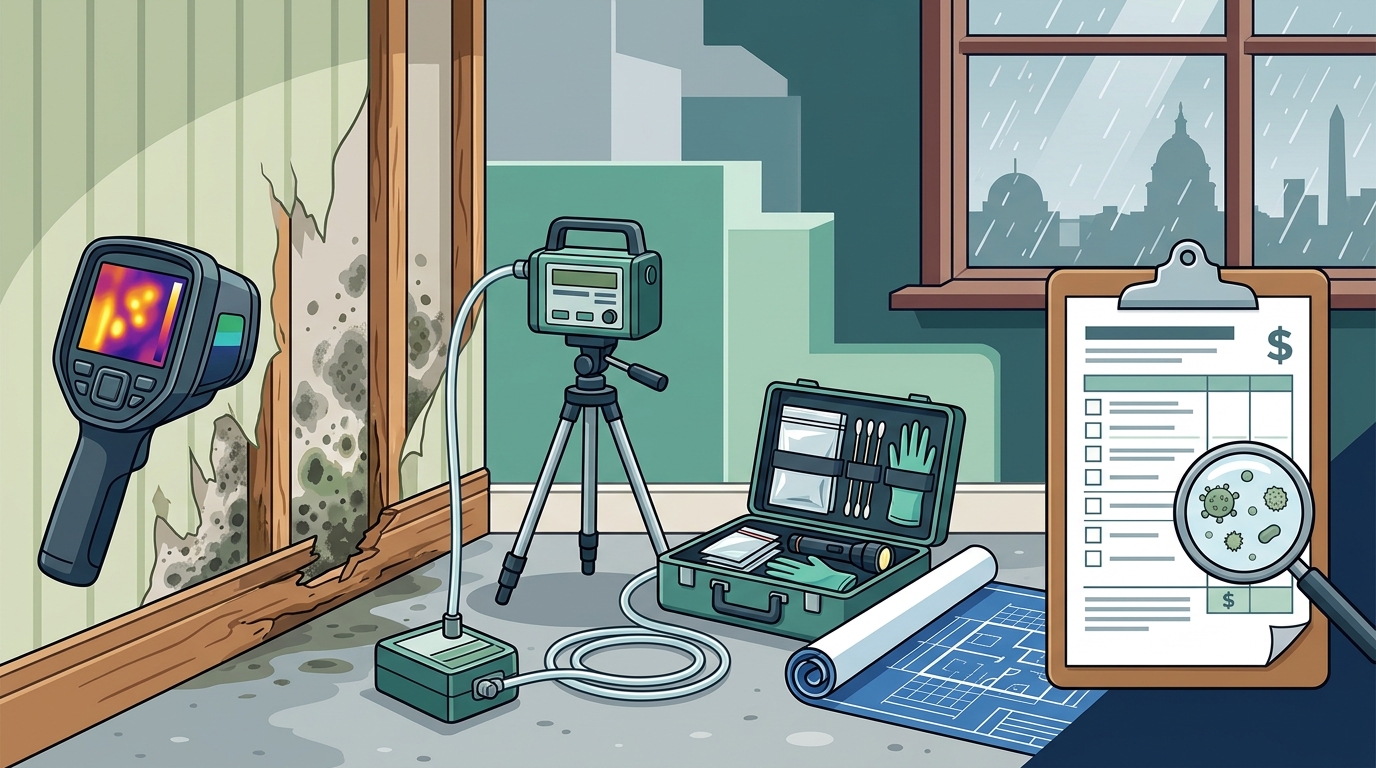
Commercial properties and large residential complexes require more extensive assessments. The cost for commercial mold inspections can range from $1,000 to $3,000 or more, depending on the square footage and the number of zones requiring testing. These inspections often include thermal imaging to detect moisture intrusion behind walls and in ceilings. Thermal imaging is a non-invasive method that helps inspectors identify wet areas without damaging the property structure.
Geographic and Regulatory Factors
The DMV region has unique environmental conditions that influence mold growth and inspection requirements. Washington D.C., Maryland, and Virginia all have distinct regulations regarding mold inspections and remediation. In Maryland, for example, mold remediation must be performed by licensed contractors. This regulation ensures that only qualified professionals handle hazardous mold removal, which can impact the overall cost of the project. Virginia has similar licensing requirements for mold remediation specialists, ensuring high standards of safety and efficacy.
Washington D.C. has strict building codes and health regulations that require property owners to maintain safe indoor air quality. The District of Columbia Department of Health monitors indoor air quality standards, and property owners may face penalties for non-compliance. This regulatory environment drives the demand for professional mold inspections, as property owners seek to avoid legal liabilities and health code violations.
Climate also plays a significant role in mold inspection pricing. The DMV area experiences high humidity levels, especially during the summer months. This humidity creates an ideal environment for mold growth, particularly in basements and crawl spaces. Properties in these areas may require more frequent inspections, which can increase the long-term cost of mold management. However, regular inspections can prevent costly remediation projects by catching issues early.
Scope of Work and Variables
The scope of work is a primary driver of mold inspection pricing. A basic inspection might include a visual assessment and a few air samples. In contrast, a comprehensive inspection could involve thermal imaging, moisture mapping, and extensive air and surface sampling. The number of samples collected directly impacts the cost, as each sample requires laboratory analysis. Laboratory fees typically range from $50 to $100 per sample, depending on the type of analysis required.
Another variable is the type of property being inspected. Residential properties are generally less expensive to inspect than commercial properties. This is because commercial properties often have larger square footage, more complex HVAC systems, and stricter regulatory requirements. For example, a high-rise office building in D.C. may require inspections of multiple floors and common areas, which increases the time and resources needed for the assessment.
The age and condition of the property also affect pricing. Older buildings in the DMV area, such as those in Georgetown or Capitol Hill, may have outdated plumbing and ventilation systems that are prone to leaks and moisture intrusion. These properties often require more extensive inspections to identify hidden mold sources. Additionally, properties with a history of water damage or previous mold issues may need more frequent and thorough inspections to ensure the problem has been fully resolved.
Service Comparison Matrix
Understanding the differences between various mold-related services is essential for accurate budgeting. The table below compares the typical scope and cost range for common services offered by professionals in the DMV area.
| Service Type | Scope of Work | Estimated Cost Range | Best For |
|---|---|---|---|
| Visual Inspection | Visual assessment, moisture mapping, preliminary report | $300 - $600 | Initial suspicion of mold, routine checks |
| Air Quality Testing | Air sampling, laboratory analysis, detailed report | $150 - $300 per sample | Identifying hidden mold, allergy sufferers |
| Surface Sampling | Swabbing or tape-lifting, lab analysis | $50 - $100 per sample | Identifying mold species, verification |
| Commercial Inspection | Thermal imaging, extensive sampling, compliance report | $1,000 - $3,000+ | Office buildings, retail spaces, schools |
| Remediation Oversight | Monitoring remediation, clearance testing | $500 - $1,500 | Post-remediation verification |
Key Takeaways
- Mold can begin growing within 24 to 48 hours of water exposure, making rapid inspection critical for DC, MD, and VA properties.
- Basic residential mold inspections in the DMV area typically cost between $300 and $600, covering visual assessment and preliminary reporting.
- Air quality testing adds $150 to $300 per sample, providing data on mold spore concentration and type.
- Regulatory requirements in Maryland and Virginia mandate licensed contractors for mold remediation, ensuring professional standards.
- Commercial inspections are more expensive, ranging from $1,000 to $3,000+, due to larger square footage and complex HVAC systems.
- Thermal imaging is a valuable tool for detecting hidden moisture behind walls, often included in comprehensive inspections.
- DMV Environmental provides certified inspections and remediation oversight across the Washington D.C., Maryland, and Virginia regions.
Frequently Asked Questions
How much does a basic mold inspection cost in DC?
A basic mold inspection in Washington D.C. typically costs between $300 and $600. This price includes a visual assessment, moisture mapping, and a preliminary report outlining potential risks and recommendations for further testing if necessary.
Do I need mold testing if I can see mold?
Yes, even if mold is visible, testing is recommended to identify the specific type of mold present. This information is crucial for determining the appropriate remediation strategy and assessing potential health risks. Surface sampling and air quality testing provide this data.
What factors influence mold inspection pricing in Maryland?
Factors influencing pricing in Maryland include the size of the property, the number of samples collected, the need for thermal imaging, and the complexity of the HVAC system. Larger properties and those with extensive moisture issues will cost more to inspect.
Is mold remediation regulated in Virginia?
Yes, mold remediation in Virginia is regulated, and contractors must be licensed to perform this work. This regulation ensures that remediation is done safely and effectively, preventing further contamination and health hazards.
How often should I have my property inspected for mold?
Properties in the DMV area should be inspected for mold annually, or after any significant water event such as a flood or pipe burst. Regular inspections help catch issues early and prevent costly structural damage and health problems.
What is the difference between mold inspection and remediation?
Mold inspection involves identifying the presence and type of mold through visual assessment and testing. Remediation is the process of removing the mold and addressing the underlying moisture issue. Inspection is a prerequisite for effective remediation.
Can DMV Environmental help with commercial mold issues?
Yes, DMV Environmental specializes in commercial mold inspections and remediation oversight for high-rise office buildings, hotels, and retail spaces in the DMV region. Their team is certified to handle complex commercial projects.
Partner with DMV Environmental
Protect your property and health with expert mold inspection services from DMV Environmental. Our certified inspectors provide accurate assessments and actionable reports for residential and commercial properties in DC, Maryland, and Virginia. Contact us today to schedule your inspection and ensure a safe, mold-free environment. Visit our services page to learn more about our comprehensive mold investigation and remediation oversight capabilities.